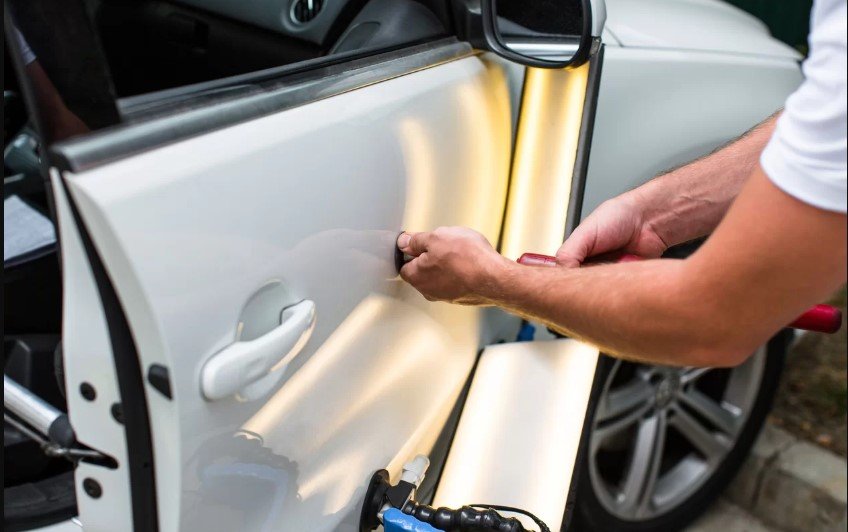
How to Do Paintless Dent Removal at Home
Few things are more frustrating than discovering a dent in your car after a trip to the grocery store or a busy parking lot. While professional body repairs can be expensive, many minor dents can be fixed at home using paintless dent removal (PDR) techniques.
Paintless dent removal is a popular method for restoring a vehicle’s appearance without sanding, filling, or repainting the damaged area. When done correctly, it can save you time and money while preserving your vehicle’s original factory finish.
In this guide, you’ll learn what paintless dent removal is, which dents can be repaired at home, and the step-by-step methods you can use to remove minor dents yourself.
What Is Paintless Dent Removal?
Paintless dent removal is a repair technique that restores damaged metal panels to their original shape without affecting the vehicle’s paint.
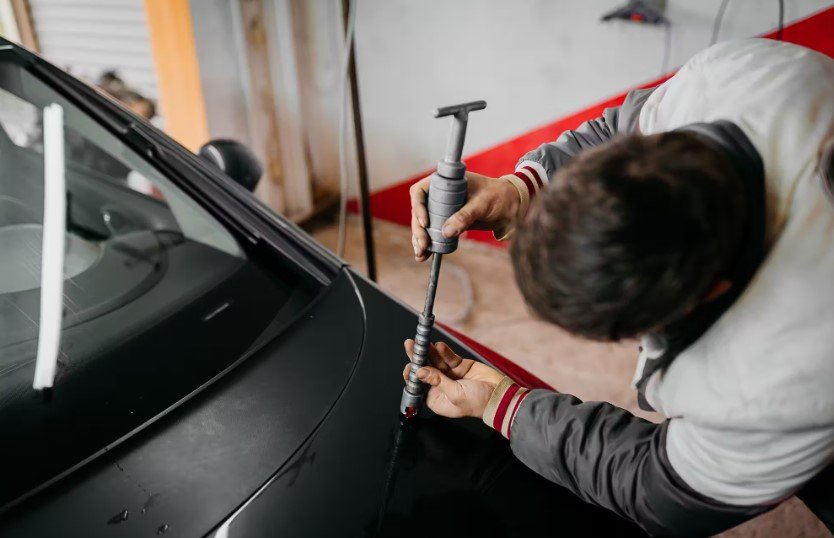
Unlike traditional body repair methods that require body filler, sanding, and repainting, PDR works by carefully manipulating the metal from behind the panel or pulling it outward using specialized tools.
The biggest advantage of paintless dent removal is that it preserves the factory paint finish, which helps maintain the vehicle’s appearance and resale value.
Can All Dents Be Repaired with Paintless Dent Removal?
Before starting any DIY repair, it’s important to understand that PDR doesn’t fit for every dent.
Dents That Are Good for DIY PDR
- Small to medium-sized dents
- Shallow dents
- Hail damage
- Parking lot dings
- Dents with intact paint
Dents That Usually Require Professional Repair
- Sharp creases
- Deep dents
- Cracked or chipped paint
- Rusted areas
- Damage near panel edges
- Collision-related damage
If the paint is damaged or the metal is severely stretched, professional bodywork may be necessary.
Tools You’ll Need
Each war is just a game if you are armed well. For paintless dent removal if have the following items available things going to fun for you.
Essential Tools
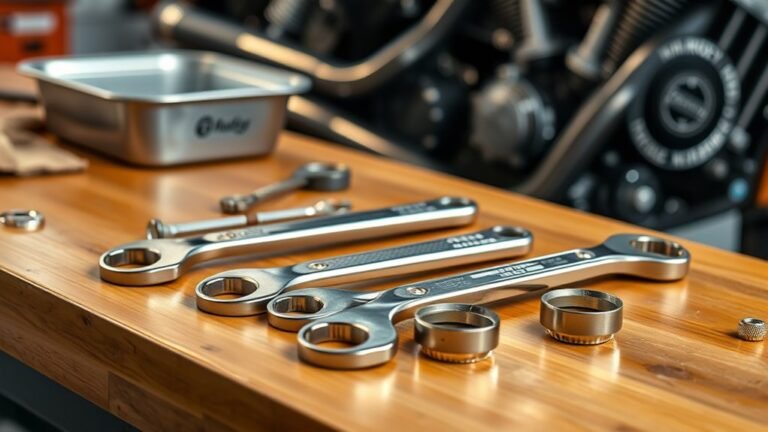
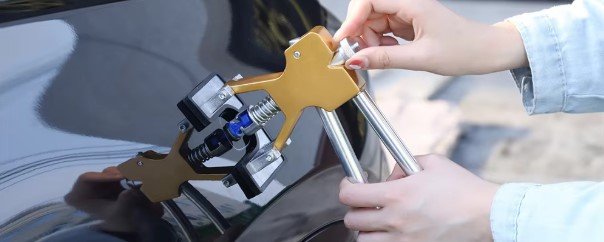
- Dent puller kit
- Hot glue gun
- Glue tabs
- Isopropyl alcohol
- Microfiber cloth
- Plastic tap-down tool
- Rubber mallet
- Hair dryer or heat gun
Optional Tools
- LED dent inspection light
- Reflection board
- Protective gloves
Additionally, a quality DIY dent repair kit typically costs between $20 and $100, making it much cheaper than a professional repair.
As you have the tools thing sorted now it’s time to get into business.
Step 1: Clean the Damaged Area
Before beginning the repair, thoroughly wash the dented area.
Remove:
- Dirt
- Wax
- Road grime
- Dust
A clean surface allows the glue tabs to adhere properly and helps you accurately assess the damage.
After washing, dry the panel completely with a microfiber cloth.
Step 2: Inspect the Dent
Examine the dent under good lighting.
Look for:
- Paint damage
- Sharp creases
- Cracks
- Signs of rust
If the paint remains intact and the dent is relatively shallow, you can proceed with paintless dent removal.
Method 1: Using a Dent Puller Kit
This is the most common DIY paintless dent removal method.
Apply the Glue Tab
Select a glue tab that closely matches the size of the dent. Apply hot glue to the tab and press it firmly into the center of the dent. Allow the glue to cool completely for a few minutes.
Pull the Dent
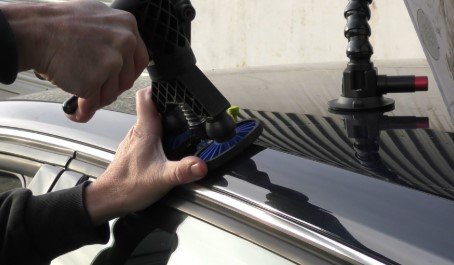
Attach the pulling bridge or slide hammer included in your repair kit. Gradually apply pressure and pull the dent outward. Avoid using excessive force. Multiple small pulls are usually more effective than one aggressive pull.
Remove the Glue
Once the dent improves, spray isopropyl alcohol around the glue tab. The alcohol will loosen the adhesive, allowing you to remove the tab without damaging the paint.
Repeat if Necessary
Most dents require several attempts before achieving the best results. Take your time and make small adjustments throughout the process.
Method 2: Removing Dents from Plastic Bumpers with Hot Water
Plastic bumpers are often easier to repair than metal panels. You can even fix it simply with hot water. Just make sure that you aren’t burn yourself while treating the vehicle.
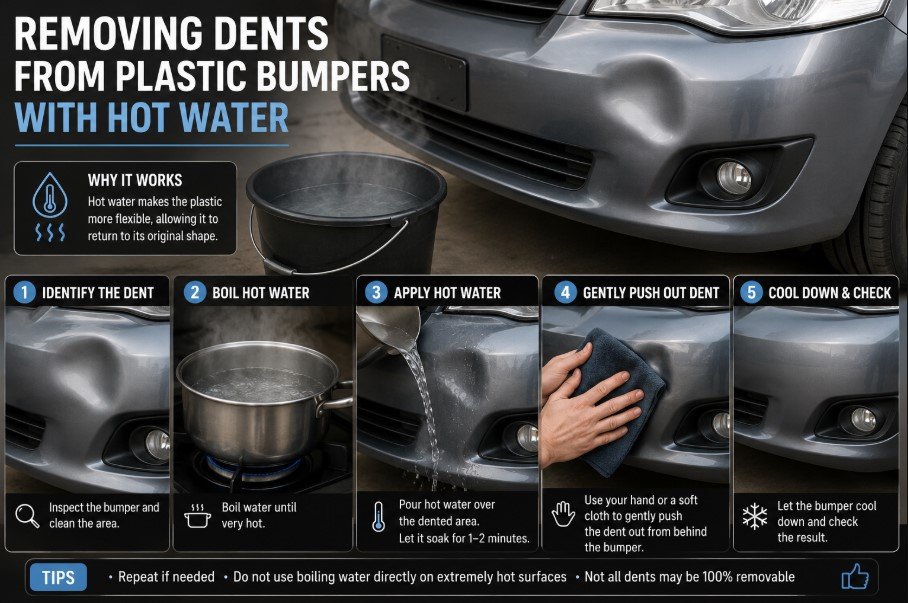
Steps:
- Heat water until very hot but not boiling.
- Carefully pour the hot water over the dented area.
- Reach behind the bumper if accessible.
- Gently push the dent outward with your hand.
The heat softens the plastic, making it easier for the bumper to return to its original shape. Always wear protective gloves to prevent burns.
Method 3: Hair Dryer and Compressed Air Technique
This method has gained popularity online, although results vary depending on the dent and vehicle material.
How It Works
- Heat the dent using a hair dryer for about one minute.
- Hold a can of compressed air upside down.
- Spray the dented area immediately.
The rapid temperature change may cause the metal to contract and pop back into shape.
While this method occasionally works on small, shallow dents, it is generally less reliable than using a proper dent puller kit.
Common Mistakes to Avoid
Many DIY dent repairs fail because of simple mistakes.
Using Too Much Force: Aggressive pulling can stretch the metal and make the damage worse.
Attempting Repairs on Sharp Creases: Creased dents usually require professional tools and experience.
Ignoring Paint Damage: Paintless dent removal is designed for dents with intact paint. If the paint is cracked, traditional repair methods may be needed.
Working in Poor Lighting: Good lighting helps you accurately see the dent’s shape and monitor your progress.
Rushing the Process: Patience is essential. Multiple small adjustments usually produce the best results.
Safety Tips for DIY Dent Repair
Always prioritize safety while working on your vehicle.
Recommended Precautions
- Wear protective gloves.
- Use safety glasses when working with tools.
- Avoid overheating painted surfaces.
- Work in a well-ventilated area.
- Follow tool manufacturer instructions carefully.
Protecting yourself and your vehicle should always come first.
When to Call a Professional
Although DIY paintless dent removal can be effective for minor damage, some situations require professional expertise.
Consider professional repair if:
- The dent is deep.
- The paint is damaged.
- Multiple panels are affected.
- The dent is located on an edge.
- The vehicle has aluminum body panels.
- DIY attempts have not improved the damage.
Professional PDR technicians use specialized tools and lighting systems that allow them to achieve near-perfect results.
DIY vs Professional Paintless Dent Removal
|
DIY Dent Removal |
Professional Dent Removal |
Pros:
Cons:
|
Pros:
Cons:
|
For small dents, DIY repair can be an excellent option. For larger or more complicated damage, professional service is often worth the investment.
Frequently Asked Questions
Does paintless dent removal really work?
Yes. Paintless dent removal is highly effective for many minor dents where the paint remains intact.
Can I remove dents without special tools?
Some shallow dents can be improved using hot water or temperature-based methods, but specialized PDR tools usually provide better results.
Will paintless dent removal damage my paint?
When performed correctly on undamaged paint, PDR should not harm the finish.
How long does a DIY dent repair take?
Most minor repairs can be completed within 30 minutes to 2 hours, depending on the dent size and repair method.
Is paintless dent removal permanent?
Yes. Once the metal is restored to its original shape, the repair is generally permanent unless the area is damaged again.
Final Thoughts
Paintless dent removal is one of the most cost-effective ways to fix minor vehicle dents while preserving your car’s original paint. With the right tools, proper preparation, and a little patience, many shallow dents can be repaired at home without the need for expensive bodywork.
However, it’s important to recognize the limits of DIY repairs. If the dent is deep, creased, or accompanied by paint damage, seeking professional assistance may provide the best outcome.