Can You Tune a Car Yourself?
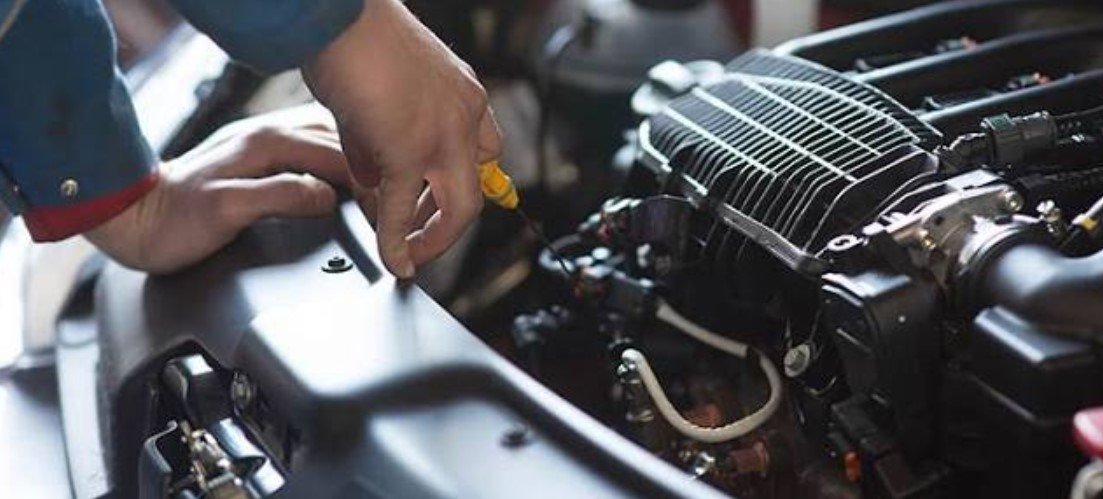
Car tuning has long been associated with professional mechanics, performance shops, and expensive equipment. However, thanks to modern technology, affordable diagnostic tools, and easy access to information, many car owners wonder: Can you tune a car yourself?
The short answer is yes—but the level of tuning you can safely perform depends on your knowledge, tools, and the type of vehicle you own. While some tuning tasks are beginner-friendly, others require specialized equipment and expertise to avoid damaging your engine.
In this guide, we’ll explore which tuning tasks you can do yourself, the tools you’ll need, and when it’s best to leave the job to professionals.
What Does “Tuning a Car” Mean?
Car tuning refers to adjusting, optimizing, or modifying various vehicle systems to improve performance, fuel efficiency, drivability, or responsiveness.
Depending on the vehicle, tuning may involve:
- Adjusting engine parameters
- Reprogramming the Engine Control Unit (ECU)
- Replacing performance parts
- Improving air intake and exhaust flow
- Fine-tuning ignition and fuel delivery
Modern vehicles rely heavily on computer-controlled systems, making tuning different from the carburetor adjustments commonly performed on older models.
Can You Really Tune a Car Yourself?
Yes, many basic tuning tasks can be performed by DIY enthusiasts. However, successful tuning depends on your experience level and the complexity of the modifications.
Simple maintenance-related tuning tasks such as replacing spark plugs, cleaning sensors, and installing performance air filters are relatively straightforward.
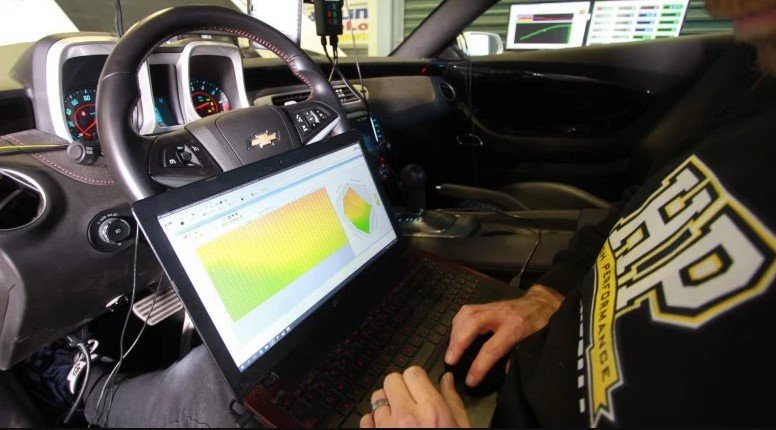
Advanced ECU remapping and performance tuning require specialized software and a deeper understanding of engine management systems.
Beginner-Friendly Car Tuning Tasks
If you’re new to tuning, start with modifications that improve performance without altering ECU settings.
Replace the Air Filter
A high-quality performance air filter can improve airflow into the engine.
Benefits include:
- Better throttle response
- Improved airflow
- Easy installation
- Minimal risk
Install Better Spark Plugs
Fresh spark plugs can improve combustion efficiency and restore lost performance.
Benefits include:
- Smoother engine operation
- Better fuel economy
- Easier starting
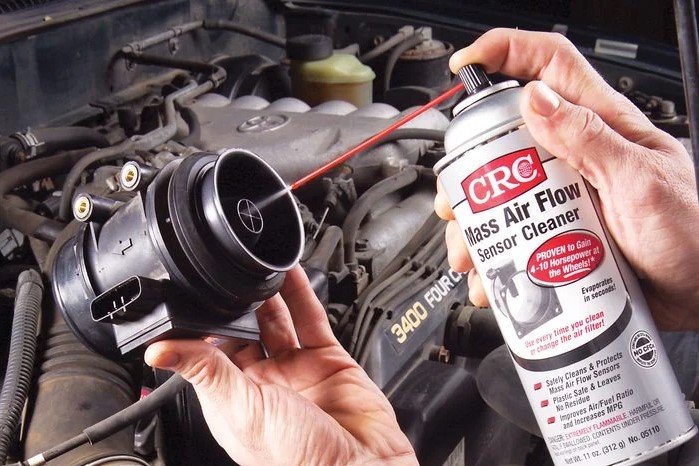
Clean the Mass Air Flow Sensor
A dirty mass airflow sensor can cause poor fuel economy and sluggish performance. Cleaning the sensor periodically can help restore engine responsiveness.
Upgrade the Exhaust System
A less restrictive exhaust system may improve airflow and produce a more aggressive exhaust note. However, always check local noise and emissions regulations before making modifications.
Understanding ECU Tuning
The ECU controls many engine functions, including:
- Fuel delivery
- Ignition timing
- Turbocharger boost levels
- Air-fuel ratios
ECU tuning involves modifying these settings to improve performance.
Common ECU Tuning Methods
Flash Tuning
Flash tuning rewrites the software stored in the vehicle’s ECU.
Advantages:
- Significant performance gains
- Improved throttle response
- Better torque output
Disadvantages:
- Potential warranty concerns
- Risk of engine damage if done incorrectly
Piggyback Tuners
Piggyback systems modify sensor signals sent to the ECU.
Advantages:
- Easier installation
- Often removable
Disadvantages:
- Less precise than full ECU tuning
Tools You’ll Need for DIY Tuning
Depending on the type of tuning you plan to perform, you may need:
Basic Tools
- Socket set
- Screwdrivers
- Torque wrench
- Multimeter
Diagnostic Tools
- OBD-II scanner
- Bluetooth scan tool
- Diagnostic software
Advanced Tuning Tools
- ECU programming software
- Laptop computer
- Wideband oxygen sensor
- Data logging equipment
Investing in quality tools can help prevent costly mistakes.
Risks of DIY Car Tuning
While DIY tuning can be rewarding, it’s important to understand the potential risks.
Engine Damage
Incorrect fuel or ignition settings can cause:
- Detonation
- Excessive heat
- Premature engine wear
Reduced Reliability
Aggressive tuning may place additional stress on:
- Engine components
- Transmission
- Cooling system
Warranty Issues
Some manufacturers may void portions of a vehicle warranty if unauthorized ECU modifications are detected.
Emissions Compliance
Certain tuning modifications may cause a vehicle to fail emissions inspections in some regions.
How to Tune Your Car Safely
Start with Maintenance
Before attempting any performance modifications, ensure the vehicle is mechanically sound.
Things to Check:
- Spark plugs
- Air filters
- Fuel system
- Engine oil
- Cooling system
Research Your Vehicle
Every vehicle responds differently to modifications.
Things to Look for:
- Manufacturer specifications
- Online owner forums
- Reputable tuning guides
Make Changes Gradually
Avoid making multiple major modifications at once.
Testing one change at a time makes it easier to identify performance improvements and potential problems.
Monitor Engine Data
Use an OBD-II scanner or data logging software to monitor:
- Air-fuel ratio
- Engine temperature
- Ignition timing
- Fuel trims
Monitoring helps detect issues before they become serious.
When Should You Hire a Professional Tuner?
Professional tuning is often the safer choice if:
- The vehicle has a turbocharger or supercharger.
- Major engine modifications have been installed.
- You want maximum performance.
- You lack tuning experience.
- The vehicle is used for racing or competition.
Professional tuners use dynamometers and advanced software to optimize performance while maintaining reliability.
Common DIY Tuning Mistakes
While performing tuning people often tend to do some common error. For a better outcome, avoid these common beginner errors:
Chasing Maximum Power: More horsepower isn’t always better if reliability suffers.
Ignoring Supporting Modifications: Extra power often requires upgradation of brakes, cooling system as well as fuel system.

Using Low-Quality Parts: Cheap performance parts can reduce reliability and performance.
Skipping Data Logs: Always verify tuning changes with data rather than relying solely on how the car feels.
DIY Tuning VS Professional Tuning
|
DIY |
Professional |
Pros:
Cons:
|
Pros:
Cons:
|
Frequently Asked Questions
Is tuning a car difficult?
Basic tuning tasks are relatively simple, but advanced ECU tuning requires knowledge and experience.
Can tuning improve fuel economy?
Yes. Some tuning strategies can improve efficiency, though performance-focused tunes may decrease fuel economy.
How much horsepower can tuning add?
Gains vary significantly depending on the vehicle. Turbocharged vehicles often see larger improvements than naturally aspirated engines.
Is ECU tuning legal?
Legality varies by location. Always check local emissions and vehicle regulations before modifying your ECU.
Do I need a dyno for tuning?
Not necessarily. However, dyno testing provides more accurate performance measurements and tuning adjustments.
Final Thoughts
So, can you tune a car yourself? Absolutely. Many maintenance and entry-level tuning tasks are within reach of dedicated DIY enthusiasts. With the right tools, patience, and research, you can improve your vehicle’s performance while learning valuable automotive skills.
However, advanced ECU tuning carries significant risks if done improperly. If your goal is maximum performance, reliability, and safety, professional tuning may be worth the investment.
The best approach is to start small, learn continuously, and make informed decisions based on your vehicle’s specific needs. With careful planning, DIY tuning can be both enjoyable and rewarding while helping you get the most from your car.