What Are the Most Common Engine Problems and How to Catch Them Early?
Your vehicle’s engine is its most important component. From daily commutes to long road trips it’s the engine that powers every journey. Unfortunately, it’s also one of the most expensive parts of a car to repair or replace. The good news is that most serious engine failures don’t happen without warning. In many cases, the engine provides early signs that something isn’t right.
Recognizing these warning signs and addressing issues promptly can help you avoid costly repairs, improve vehicle reliability, and extend the life of your engine. Whether you drive a brand-new vehicle or an older model, understanding common engine problems can save you both time and money.
In this guide, we’ll explore the common engine problems drivers mostly face and explain how to catch them before they become major headaches.
Why Early Detection Matters
Modern engines are built to last, but they still require regular maintenance and attention. Small problems often develop gradually, giving drivers an opportunity to take action before serious damage occurs.
For example, a minor coolant leak may seem harmless at first. However, if ignored, it can eventually cause the engine to overheat, potentially leading to a blown head gasket or even complete engine failure. Similarly, a small oil leak can reduce lubrication and increase wear on internal engine components.
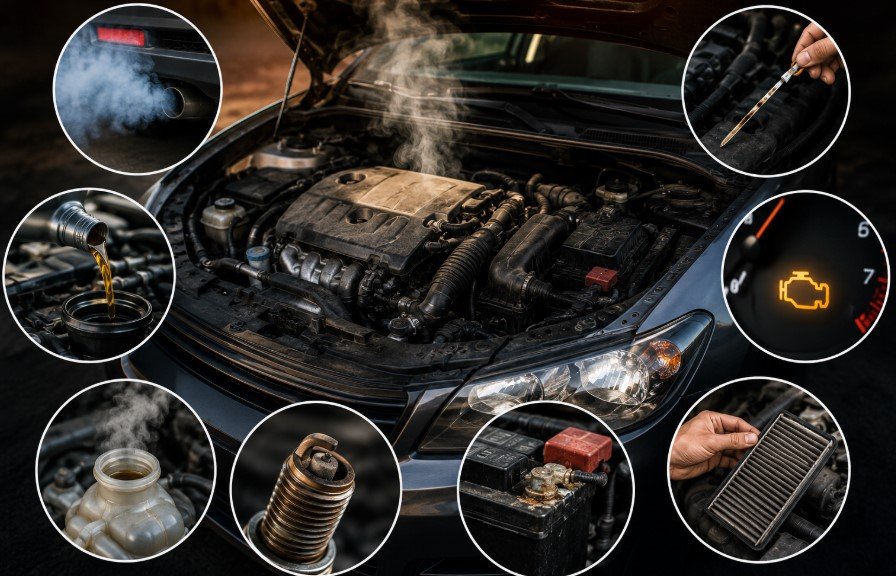
By identifying problems early, you can often resolve them with relatively inexpensive repairs rather than facing major engine work later on. Some of the most common early signs include:
01.Engine Overheating
One of the most common and potentially damaging engine problems is overheating.
An engine operates within a specific temperature range. When that temperature rises too high, critical components can become damaged. Overheating is often caused by low coolant levels, a malfunctioning thermostat, a clogged radiator, or a failing water pump.
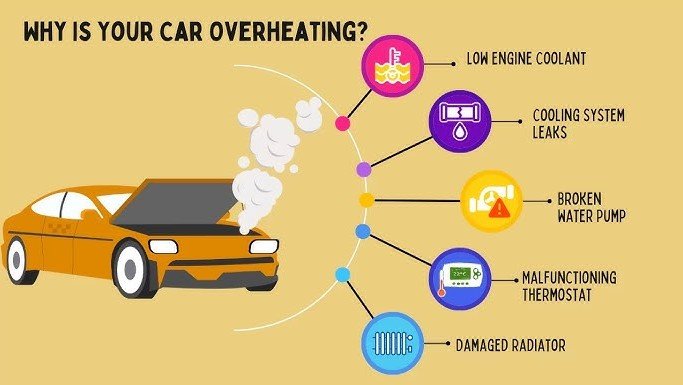
Drivers should pay close attention to the temperature gauge on the dashboard. If the needle moves into the red zone or warning lights appear, immediate action is necessary. Steam coming from under the hood or a sweet smell from leaking coolant may also indicate an overheating issue.
Ignoring an overheating engine can lead to severe damage, including warped cylinder heads and blown head gaskets.
02.Oil Leaks
Engine oil plays a crucial role in lubricating moving parts and reducing friction. Without sufficient oil, internal components can wear out quickly.
Oil leaks commonly occur due to worn gaskets, damaged seals, or cracks in the oil pan. At first, a leak may seem minor, but over time it can reduce oil levels enough to threaten engine health.
Signs of an oil leak include dark spots under the vehicle, a burning oil smell, or visible oil residue around the engine. Regularly checking your oil level can help identify leaks before they become serious.
Addressing oil leaks early helps maintain proper lubrication and prevents unnecessary engine wear.
03.Engine Misfires
An engine misfire occurs when one or more cylinders fail to ignite the fuel-air mixture properly.
Misfires can result from faulty spark plugs, ignition coil problems, fuel injector issues, or even sensor failures. When a misfire occurs, the engine may run rough, vibrate excessively, or struggle during acceleration.
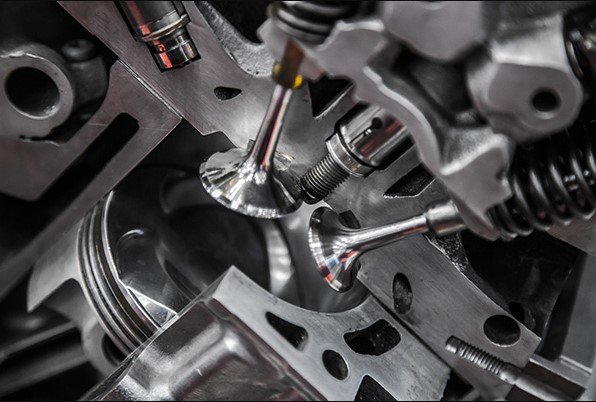
Drivers often notice reduced fuel economy and sluggish performance. In some cases, the check engine light may begin flashing, indicating a more serious problem that requires immediate attention.
Since prolonged misfires can damage catalytic converters and other components, it’s important to diagnose and repair the issue quickly.
04.Check Engine Light Problems
Few dashboard warnings create more anxiety than the check engine light.
This warning light can indicate a wide range of issues, from a loose gas cap to serious engine problems. Because the light covers so many potential faults, it’s important not to ignore it.
A steady check engine light often signals a problem that should be inspected soon. A flashing check engine light, however, usually indicates a more urgent issue such as a severe engine misfire.
Using a diagnostic scanner or visiting a qualified technician can help determine the exact cause of the warning.
05.Faulty Spark Plugs
Spark plugs are small components with a big job. They ignite the fuel-air mixture inside the engine’s cylinders, allowing combustion to occur.
Over time, spark plugs wear out and become less effective. When this happens, drivers may experience hard starting, rough idling, poor acceleration, and decreased fuel efficiency.
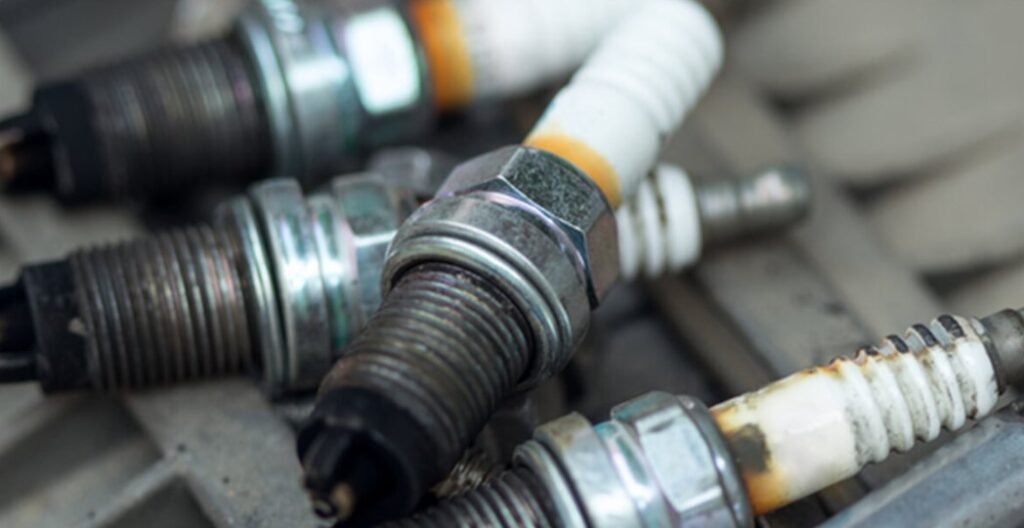
Because spark plugs are relatively inexpensive, replacing them at the recommended service intervals is one of the simplest ways to maintain engine performance.
Ignoring worn spark plugs can place additional stress on the ignition system and contribute to more serious engine problems.
06.Timing Belt or Timing Chain Issues
The timing belt or timing chain keeps the engine’s internal components synchronized. Proper timing ensures that valves and pistons move in coordination.
If a timing belt becomes worn or breaks, serious engine damage can occur. Timing chain problems may also develop due to wear, poor maintenance, or insufficient lubrication.
Drivers may notice rattling noises, rough engine operation, or difficulty starting the vehicle. Some vehicles have manufacturer-recommended replacement intervals for timing belts, making preventative maintenance especially important.
Replacing a worn timing component is far less expensive than repairing an engine damaged by timing failure.
07.Fuel System Problems
The fuel system delivers fuel from the tank to the engine. When any part of this system fails, engine performance can suffer.
Common fuel system issues include clogged fuel injectors, failing fuel pumps, and dirty fuel filters. These problems can cause hesitation, poor acceleration, rough idling, and reduced fuel efficiency.
If your vehicle suddenly feels sluggish or struggles to maintain power, the fuel system may be the source of the problem.
Routine maintenance and high-quality fuel can help keep fuel system components functioning properly.
How to Catch Engine Problems Early
Many drivers wait until a problem becomes severe before taking action. However, paying attention to small changes in your vehicle can help you identify issues much sooner.
Listen for unusual sounds such as knocking, ticking, grinding, or rattling noises. Changes in engine performance, including rough idling, reduced power, or lower fuel efficiency, should also be investigated.
Regularly checking fluid levels can provide valuable clues about engine health. Low oil or coolant levels may indicate leaks that require attention.
Most importantly, never ignore dashboard warning lights. Modern vehicles are equipped with advanced monitoring systems designed to detect problems before they become catastrophic.
Routine maintenance inspections remain one of the most effective ways to identify potential issues early.
Warning Signs You Should Never Ignore
Certain symptoms demand immediate attention because they may indicate serious engine trouble.
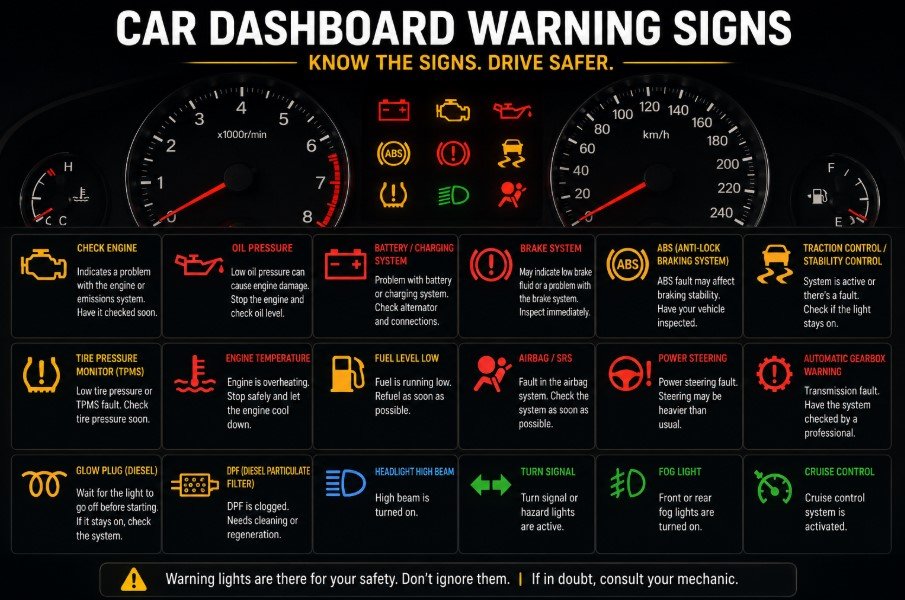
Persistent warning lights, excessive exhaust smoke, repeated overheating, loud knocking sounds, and sudden power loss are all signs that something may be wrong. Continuing to drive under these conditions can significantly increase repair costs and potentially lead to complete engine failure.
If you notice any of these symptoms, it’s best to have the vehicle inspected as soon as possible.
Early Detection vs. Delayed Repairs
|
Factor |
Early Detection | Delayed Repairs |
| Repair Costs | Lower |
Higher |
|
Vehicle Reliability |
Better | Reduced |
| Risk of Breakdown | Lower |
Higher |
|
Engine Lifespan |
Longer | Shorter |
| Fuel Efficiency | Maintained |
Often Reduced |
Preventing Engine Problems
While not every engine problem can be avoided, regular maintenance dramatically reduces the likelihood of major failures.
Routine oil changes help protect internal components from excessive wear. Maintaining proper coolant levels prevents overheating, while replacing air filters and spark plugs at recommended intervals supports efficient engine operation.
Following the manufacturer’s maintenance schedule is one of the best investments you can make in your vehicle’s long-term reliability.
A little preventative care today can save thousands of dollars in repair costs tomorrow.
Frequently Asked Questions
What is the most common engine problem?
Engine overheating, oil leaks, and ignition-related issues such as faulty spark plugs are among the most common engine problems drivers encounter.
Can I drive with the check engine light on?
A steady check engine light may allow short-term driving, but the cause should be diagnosed as soon as possible. A flashing check engine light requires immediate attention.
How often should I check my engine oil?
Most experts recommend checking engine oil at least once a month and before long trips.
What causes an engine to overheat?
Low coolant levels, radiator problems, thermostat failures, and water pump issues are among the most common causes of overheating.
Are engine repairs always expensive?
Not necessarily. Many engine issues are relatively inexpensive to repair when detected early. Costs typically rise when problems are ignored.
Final Thoughts
Most major engine failures begin as small, manageable issues. By paying attention to warning signs, monitoring your vehicle’s performance, and following a consistent maintenance schedule, you can catch engine problems before they become costly repairs.
Whether it’s an oil leak, an overheating engine, or a check engine light, taking action early is the key to protecting your vehicle and extending its lifespan. A proactive approach to engine care not only saves money but also ensures a safer and more reliable driving experience for years to come.