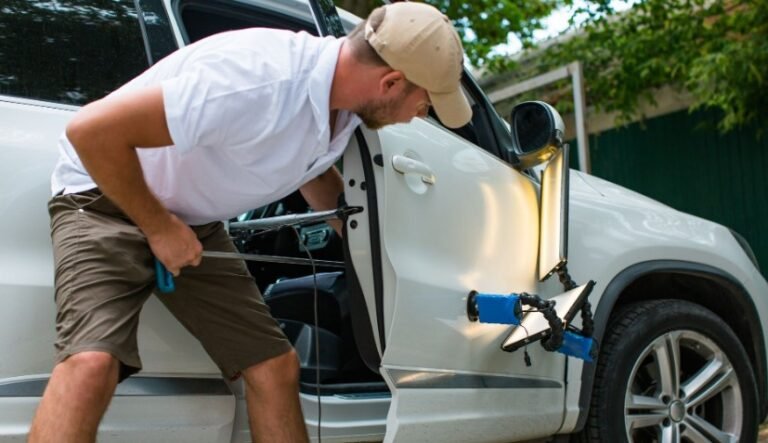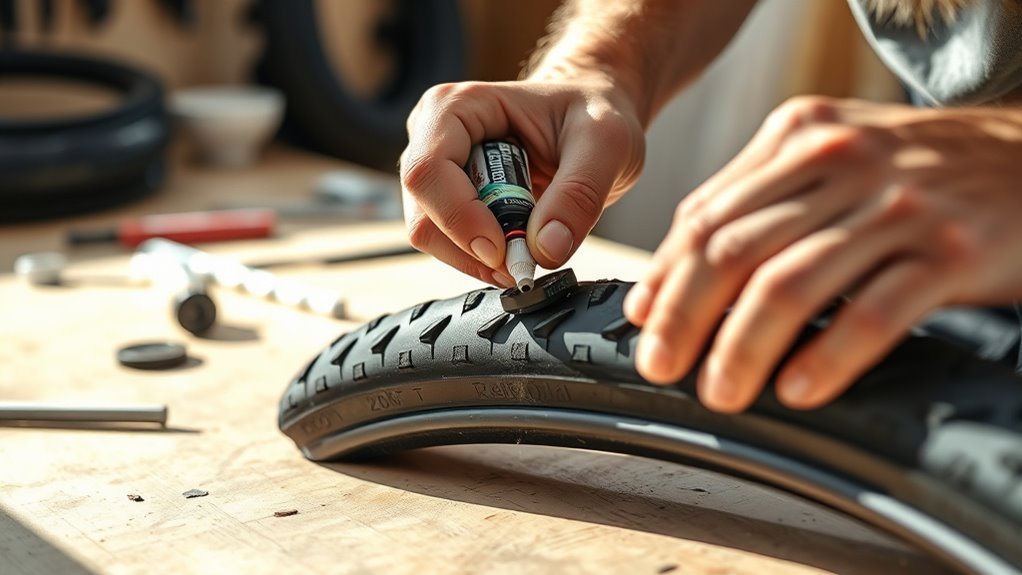
How Long Does It Take to Patch a Tire?
You can patch a tire in about 30 minutes if the damage is minor and you have the right tools ready.
The process involves cleaning and prepping the damaged area, applying cement, and securing the patch carefully.
Factors like damage severity and your experience can affect how long it takes.
Make sure the puncture is in the tread, not the sidewall, to safely patch it.
Keep going to find tips on speeding up repair and when to get professional help.
Key Takeaways
- Patching a tire typically takes 30 to 45 minutes, depending on damage severity and technician skill.
- Removing the tire from the rim and cleaning the damaged area adds to the total repair time.
- Using proper tools and a clean workspace can help speed up the patching process.
- Complex tire designs or multiple repairs may extend the time needed for safe patching.
- Weather conditions and preparation influence how quickly a tire patch can be completed.
Methods for Patching a Tire
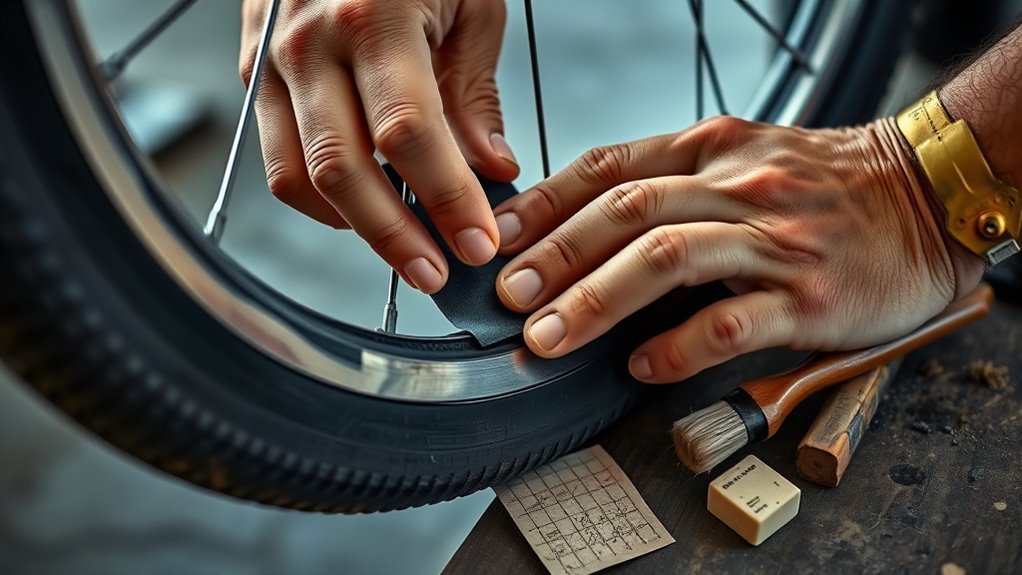
Before you patch a tire, you need to remove it from its rim.
This process usually takes about 15 to 20 minutes, depending on your experience and the tire condition.
When patching, expert technicians focus on the damaged area, typically found in the tire tread’s center.
Proper tire repair involves cleaning and polishing this spot before applying a patch with cement to guarantee a strong seal.
Cleaning and polishing the damaged area ensures a strong, lasting seal when applying a tire patch with cement.
Sometimes, a patch or plug alone won’t suffice, so a patch/plug combination is used for enhanced durability.
Following repair guidelines is essential—repairs aren’t allowed on sidewalls or shoulders.
With proper tire maintenance and correct methods, a patch can last for the tire’s remaining life, often up to 40,000 miles.
This keeps you safe on the road!
Step-by-Step Tire Patching Process
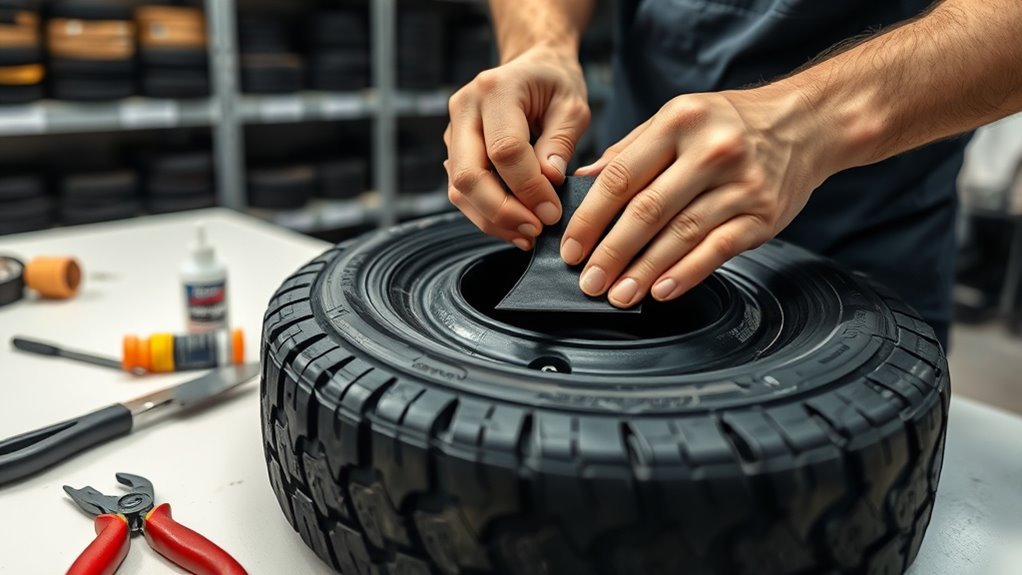
Once you’ve removed the tire from its rim and identified the damaged area, you can start the patching process.
First, polish the damaged tire’s outer lining to guarantee proper adhesion.
Then, the area must be cleaned thoroughly to remove any dirt or debris.
Apply cement to both the tire and the patch surface to create a strong bond for effective puncture repair.
Next, position the tire patch carefully over the damaged spot.
For enhanced strength, rolling stitches or heat may be used to secure the patch firmly.
This careful tire repair process typically takes about 15-20 minutes.
When done correctly, the patch provides a reliable, long-lasting repair, allowing your tire to maintain its integrity for the remainder of its tread life.
Factors Influencing Tire Repair Duration
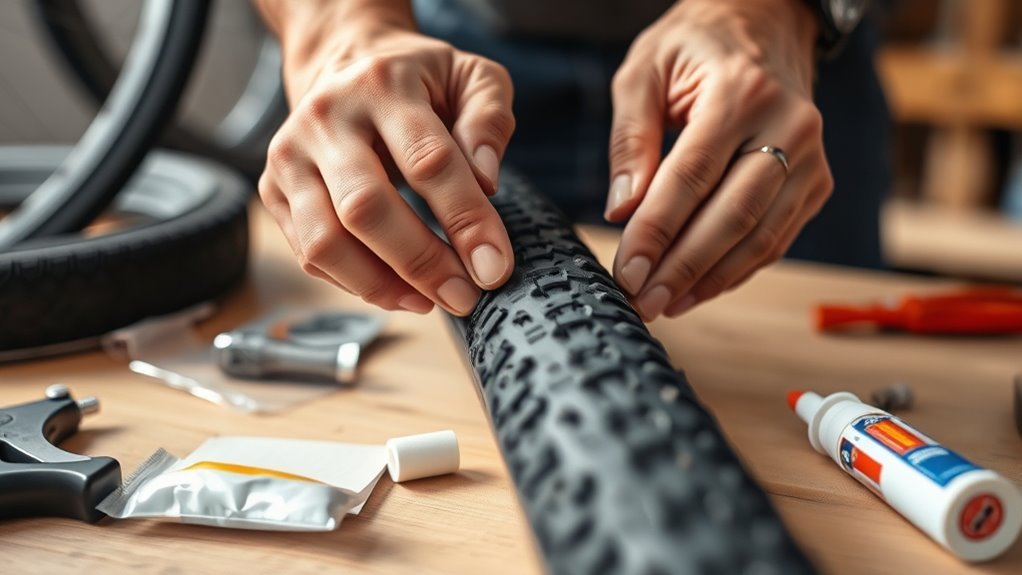
Although patching a tire generally takes around 15-20 minutes, several factors can influence how long the repair actually takes.
The repair duration depends largely on damage severity; minor punctures usually require less time than complex issues involving the inner liner.
Your tire’s design and condition also affect the repair process, as some tires need more intricate handling.
Having the right tools and resources ready can speed things up, while lacking equipment may cause delays.
Technician experience plays a vital role—skilled technicians complete repairs more efficiently.
Additionally, weather conditions impact repair duration; adverse weather can slow down or even halt outdoor tire repair.
Keeping these factors in mind helps you understand why tire repair times can vary.
Safety Considerations for Patched Tires
Understanding how long a tire repair takes is important, but you also need to contemplate safety when relying on a patched tire.
The safest option is to patch a car only if punctures are in the tread, less than ¼ inch wide, and at least ½ inch from the tire edge.
Avoid multiple patches close together, as they can weaken the tire.
Flat tire repair can cause internal damage, so don’t drive on a flat before fixing it.
Tire plugs might offer a quick fix, but professional repair guarantees structural integrity and proper tire pressure.
After repair, monitor patched tires regularly for air loss or damage.
Properly patched tires can last the remaining life—around 40,000 miles—but ongoing vigilance keeps you safe on the road.
Tips to Expedite Tire Repair
To speed up tire repair, make sure you have all the necessary tools ready before you start.
Choosing an experienced technician can also save you time by ensuring the job is done efficiently.
Being prepared and working with a pro helps get you back on the road faster.
Prepare Tools Ahead
Having all the right tools ready before you start can cut down your tire repair time considerably.
Before you plunge into tire repair, gather essential tools like a patch kit, tire iron, air compressor, and safety gloves.
Set up a clean, well-lit workspace to make inspection and patching easier.
Keep a tire pressure gauge nearby to check inflation once you finish the repair.
Familiarizing yourself with each step beforehand also helps speed things up and prevents mistakes.
Don’t forget to have a first aid kit close by in case of minor injuries while handling tools.
Preparing everything ahead guarantees a smoother process, reducing your overall repair time and helping you get back on the road quickly and safely.
Choose Experienced Technicians
When you choose experienced technicians, you’ll benefit from their ability to quickly identify tire damage and apply the right repair method.
Skilled professionals speed up tire repair by efficiently preparing the puncture area and performing patching tasks with precision. Their familiarity with tools and techniques reduces repair time to about 15-20 minutes, guaranteeing ideal results.
Experienced technicians also excel at balancing the tire post-repair, which improves vehicle performance and prevents future issues.
Choosing them minimizes complications that often arise with less knowledgeable individuals, streamlining the overall repair process.
When to Seek Professional Tire Repair Services
How do you know if a tire puncture is beyond a simple DIY fix?
If the puncture is larger than 1/4 inch or close to the edge of the tread or sidewall, you’ll need professional help.
These areas can’t be safely repaired with tire patches.
Also, if you’ve driven on flat tires, internal damage may have compromised the tire’s structure.
Multiple close repairs on the same tire can weaken its integrity, signaling the need for expert evaluation or even tire replacement.
Regular inspections by certified technicians help catch damage early, ensuring timely tire repair and your safety on the road.
Don’t risk it—when in doubt about the area of the tire or extent of damage, seek professional services to keep your tires reliable.
Frequently Asked Questions
How Long Can I Drive on a Patched Tire?
You can drive on a patched tire for its remaining life, often up to 40,000 miles.
Just keep an eye on it for leaks or damage to stay safe.
Maintain performance during your drives.
Is It Better to Plug or Patch a Tire?
You should patch your tire instead of plugging it because patches offer a stronger, longer-lasting seal.
Plugging’s quicker but less reliable, so for safety and durability, patching’s the better choice whenever possible.
Can I Drive 2 Hours With a Nail in My Tire?
You can’t safely drive two hours with a nail in your tire; it risks rapid air loss and structural damage.
Instead, get it patched promptly to avoid a blowout or costly tire replacement later on.
Is Patching a Tire Difficult?
Patching a tire can be tricky if you’re not experienced.
You’ll need some mechanical skills, the right tools, and patience.
If you’re unsure, it’s better to get a professional to guarantee the repair is safe and reliable.
Conclusion
Patching a tire usually takes about 30 minutes, but it can vary based on the damage and your experience.
Imagine you’re on a weekend road trip, and you spot a nail in your tire.
With the right tools and steps, you can quickly patch it and be back on the road without much delay.
However, it’s important to consider the severity of the damage.
If the puncture is too large or in a critical area, patching might not be enough.
Remember, knowing when to seek professional help guarantees your safety and peace of mind on every drive.
In conclusion, if you find yourself dealing with a flat tire, a quick patch can save your trip.
But always assess the damage first, and don’t hesitate to call a professional if needed.
Your safety on the road is what matters most!