• 10 Steps to Check Tire Pressure for Honda Civic

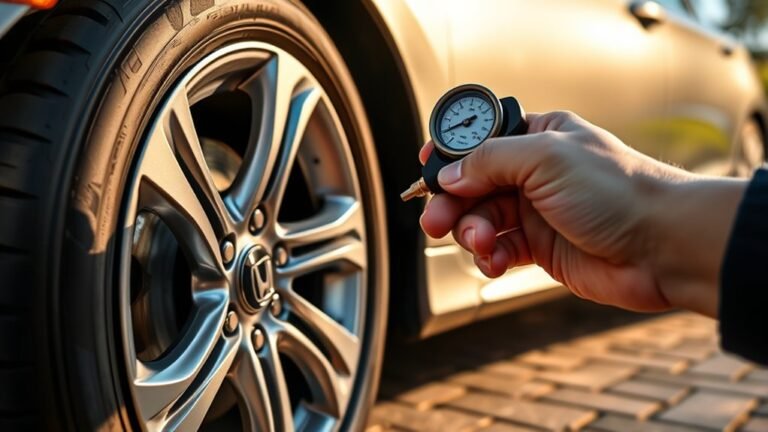
    To check your Honda Civic’s tire pressure, gather a reliable gauge and park on a flat surface.

    Wait for the tires to cool for accurate readings.

    Find the recommended PSI on the driver’s door jamb, then remove the valve cap to measure each tire’s pressure.

    Inflate any tires below the recommended level, or release air if they’re overinflated.

    Make sure to replace the valve caps securely to protect the valve stems.

    Following these steps guarantees safe, efficient driving.

    Keep going to discover tips that enhance tire care even more!
  • What Wheel Cleaner Do Hand Car Washes Use Commercialy

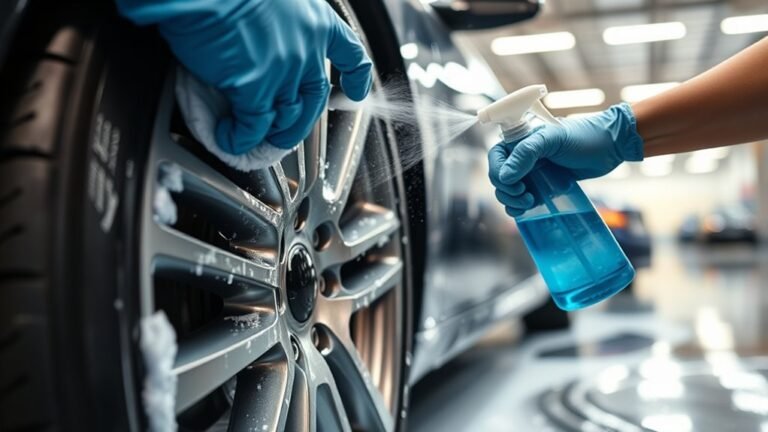
    If you’re running a hand car wash, you’ll want to use high-performance wheel cleaners that tackle tough brake dust and grime without harming finishes.

    Many pros choose pH-balanced options like Quick Shot™ for gentle but effective cleaning.

    For heavier-duty jobs, stronger acidic formulas such as Wheel Pro Wizzard are a popular choice.

    Color-changing formulas can help confirm that contaminants are being lifted.

    Your choice depends on wheel type, local regulations, and customer preferences.

    Keep exploring to understand the best fit for your needs.

  • DIY Guide to Bronco Tailgate Spare Tire Reinforcement

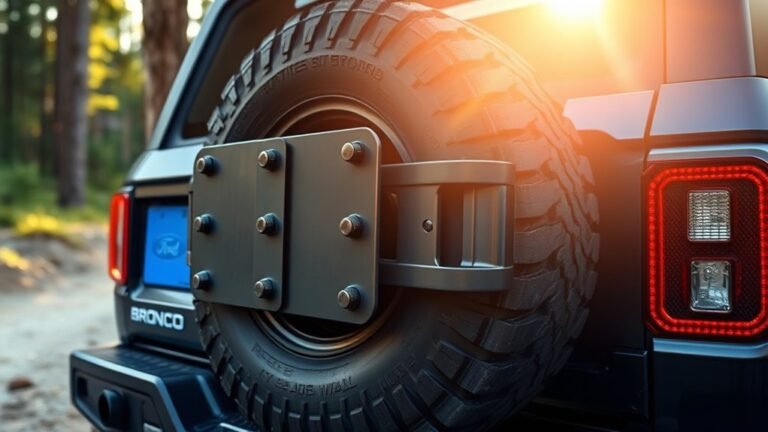
    To reinforce your Bronco’s tailgate for larger spare tires, start by removing the gas strut clip and unscrewing the factory hinges.

    Next, install the heavy-duty aluminum reinforcement hinges with the included hardware.

    Make sure they’re hand-tightened for proper alignment before fully securing.

    Upgrade the tire stops to adjustable ones to hold bigger wheels firmly, and trim factory stops if needed.

    Take care to avoid forcing the tailgate shut during installation.

    If you want to guarantee a perfect fit and smooth operation, keep following these detailed steps.

  • How to Find Wheel Offset

    To find your wheel offset, place the wheel face down on a soft surface.

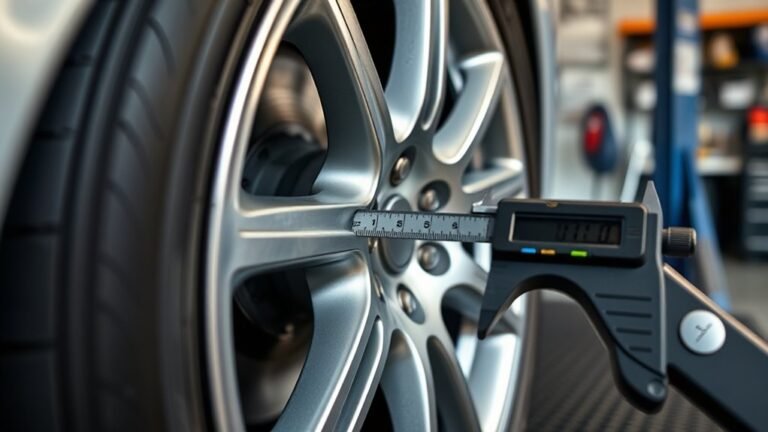
    Then, measure from the mounting surface to the wheel’s back edge using a ruler or caliper.

    Divide this measurement by two to find the centerline distance.

    After that, subtract the centerline distance from the mounting surface distance to determine the offset in millimeters.

    Positive means the mounting surface is closer to the front; negative means it’s farther back.

    Understanding this helps you avoid fitment issues,

    And there’s more useful info ahead on making the right choice.

  • How to Determine Tire Size for Your Honda Pilot

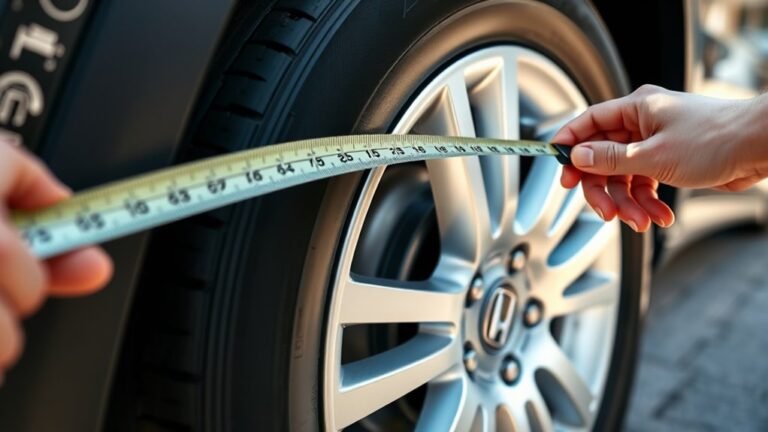
    To determine your Honda Pilot’s tire size, start by checking the tire placard inside the driver’s door jamb and your owner’s manual.

    They list the exact size for your model and trim.

    Make certain to note the bolt pattern, offset, and center bore to guarantee the wheels fit correctly.

    You can also ask a professional tire dealer to confirm fitment and consider load and speed ratings.

    Keep exploring to understand all factors for the best tire choice.

  • Are Wheel Spacers Safe

    You can safely use wheel spacers if you pick high-quality, hub-centric ones that fit your vehicle correctly.

    When you install them, torque the lug nuts in a star pattern to the right specs and check regularly for damage or loosening.

    Proper spacers improve stability and allow for bigger tires without harming your suspension.

    If you want to understand how spacers impact performance, installation tips, and legal points, keep exploring these key details.

  • What Is Front Wheel Drive

    Front-wheel drive (FWD) means your car’s engine sends power to the front wheels, helping you steer and move efficiently.

    You’ll find FWD common in many cars because it offers better traction on slippery roads and improves fuel economy thanks to its lighter, compact design.

    It also frees up interior space and reduces mechanical complexity.

    While there are some challenges like torque steer, understanding how FWD works can help you decide if it’s the right fit for your driving needs.

  • How Long Do Wheel Bearings Last

    Your wheel bearings typically last between 75,000 and 150,000 miles, depending on how you drive and maintain your vehicle.

    Quality bearings and proper care help them stay durable.

    But harsh conditions like water, mud, and potholes can wear them out faster.

    You’ll notice signs like strange noises or vibrations when they’re failing.

    Keeping them in good shape is key for your safety and smooth rides.

    Here’s what else you should know to keep your wheels turning confidently.

  • How Long Can You Drive on Bad Wheel Bearing

    If you notice your wheel bearing making noise, you shouldn’t drive on it for long.

    Those early humming sounds can quickly turn into grinding, risking severe damage and unsafe driving conditions.

    There’s no reliable temporary fix since modern bearings are sealed.

    Ignoring the problem can lead to costly repairs or even wheel detachment.

    To stay safe and avoid bigger issues, it’s best to get it inspected promptly.

    Learn what signs to watch for and how to handle them next.

  • Is All Wheel Drive Good in Snow

    If you’re driving in snow, all-wheel drive (AWD) can give you better traction by sending power to all four wheels automatically. This helps you maintain control.

    It’s generally better than front-wheel or rear-wheel drive in light to moderate snow.

    But remember, AWD alone isn’t enough—winter tires are essential for real grip on slippery roads.

    You’ll also want to know how to use AWD modes effectively and when other drivetrains might be a better fit for deeper snow.