What Is the 30-30-30 Rule for Brakes? A Complete Guide to Proper Brake Bedding
When installing new brake pads or rotors, many drivers focus on the replacement process but overlook an equally important step: brake bedding. Properly bedding your brakes helps maximize stopping performance, reduce noise, and extend the lifespan of your braking components.
One of the most commonly discussed bedding methods is the 30-30-30 rule. While the exact procedure may vary depending on the vehicle and brake manufacturer, this rule serves as a simple guideline for helping new brake pads and rotors work together effectively.
In this guide, we’ll explain what the 30-30-30 rule is, why it matters, and how to perform it safely.
What Is the 30-30-30 Rule for Brakes?
The 30-30-30 rule is a brake bedding procedure designed to assist new brake pads and rotors establish an even friction surface.
The goal is not to make emergency stops. Rather it gradually heat the brake components thus a thin and even layer of brake pad material transfers onto the rotor surface.
This transfer layer is essential for achieving optimal braking performance.
Generally, the process involves:
- Accelerating to approximately 30 mph (50 km/h)
- Applying moderate brake pressure to slow the vehicle
- Repeating the process about 30 times
- Allowing roughly 30 seconds between braking cycles when possible
Why Proper Brake Bedding Matters
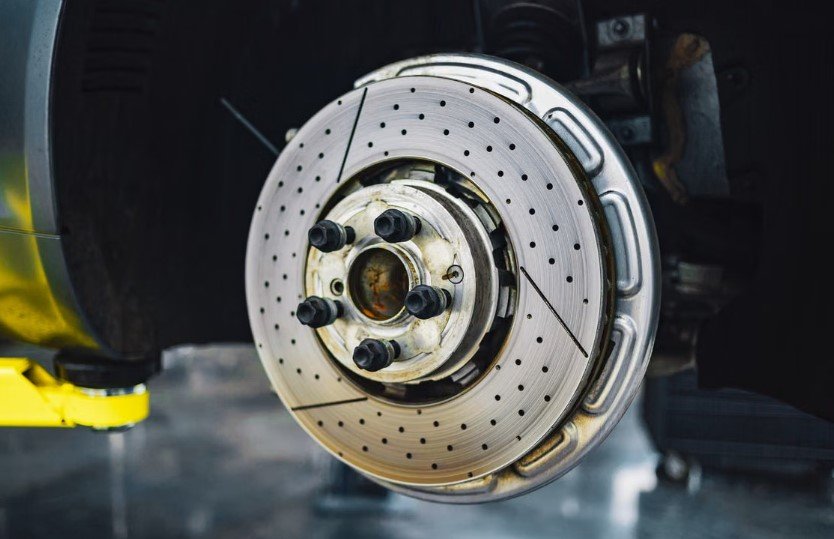
Proper brake bedding does much more than simply break in new brake pads. As the pads and rotors gradually conform to each other, a thin and even layer of friction material develops on the rotor surface. This helps create a more consistent contact area between the braking components.
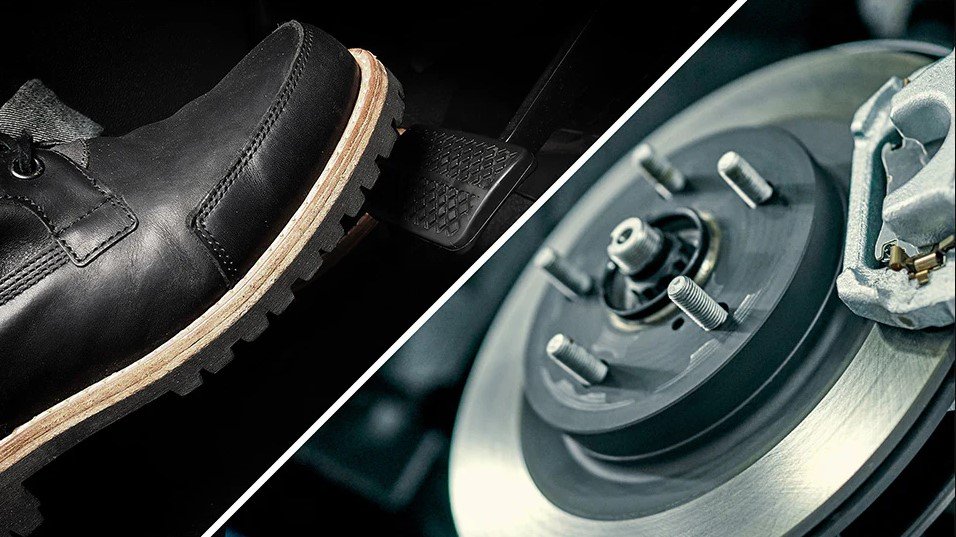
As a result, drivers often experience stronger and more predictable stopping power, smoother pedal feel, and reduced brake noise. Properly bedded brakes are also less likely to suffer from uneven rotor deposits (responsible for vibration and premature wear). In the long run, taking the time to bed your brakes correctly can help extend the lifespan of both the brake pads and rotors.
Notable benefits of proper brake bedding include:
- Improved stopping power
- More consistent braking performance
- Reduced brake squeal
- Lower risk of vibration
- Extended pad and rotor lifespan
- Better resistance to brake fade
How to Apply the 30-30-30 Rule On Your Vehicle
Whether you’re a DIY mechanic or simply replacing your brakes for the first time, understanding the importance of brake bedding can help you get the most from your braking system. Here is the step by step guide to perform a 30-30-30.
Step 1: Find a Safe Location
Choose a road or open area with minimal traffic where you can repeatedly accelerate and slow down safely. An empty industrial road or quite suburban street fit perfectly for the task.
A large parking area can also serve your purpose. If all these aren’t accessible, book a dedicated test track. Remember, safety should always be the top priority.
Step 2: Accelerate to 30 mph
Bring the vehicle up to approximately 30 mph (50 km/h). Avoid aggressive acceleration. The goal is to maintain consistent conditions throughout the procedure.
Step 3: Apply Moderate Brake Pressure
Slow the vehicle using steady, moderate pressure. Hard stops can create excessive heat and uneven pad deposits.
Things to Avoid:
- Slamming on the brakes
- Activating ABS
- Coming to a complete stop if possible
Step 4: Repeat 30 Times
Perform approximately 30 braking cycles. This repeated heating and cooling process helps create an even transfer layer between the brake pad and rotor. Consistency is more important than speed.
Step 5: Allow the Brakes to Cool
After completing the bedding process, drive normally for several minutes without heavy braking. This allows the brake components to cool gradually and stabilizes the transfer layer.
What Happens During Brake Bedding?
To understand the value of the 30-30-30 rule, it helps to know what’s happening inside the braking system.
As the brake pads contact the rotor, friction generates heat. This heat causes a small amount of pad material to transfer onto the rotor surface.
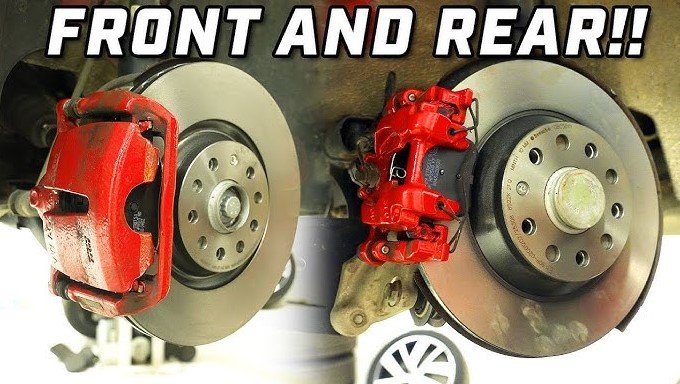
The resulting transfer layer creates a more uniform friction interface between the pad and rotor. When this layer forms evenly, braking becomes smoother, stopping distances improve. Other than that you will enjoy a reduced braking noise. On the technical part, rotor wear becomes more consistent.
Think of brake bedding like breaking in a new pair of shoes. Initially, the surfaces don’t fit perfectly, but with proper use they gradually adapt to each other for better performance.
Benefits of Following the 30-30-30 Rule
Improved Braking Performance: Properly bedded brakes provide more predictable and consistent stopping power.
Longer Brake Component Life: Even contact between the pad and rotor promotes uniform wear, helping components last longer.
Better Heat Management: A properly established transfer layer improves heat distribution across the rotor surface.
Increased Driver Confidence: Consistent braking performance helps drivers feel more confident during daily driving and emergency situations.
Common Brake Bedding Mistakes
Performing Hard Stops Too Soon: Aggressive braking immediately after installation can overheat the pads and rotors before they have properly mated.
Holding the Brake Pedal While Stopped: After heavy braking, keeping the pedal pressed while the vehicle is stationary can leave uneven pad deposits on the rotor.
Skipping the Procedure Entirely: Many drivers ignore brake bedding altogether, reducing the effectiveness of their new braking components.
Overheating the Brakes: Too many aggressive braking cycles without adequate cooling can glaze the pads and reduce performance.
Ignoring Manufacturer Instructions: Some brake manufacturers recommend specific bedding procedures that differ from the 30-30-30 rule. Always consult the manufacturer’s guidelines whenever available.
Does Every Vehicle Require the 30-30-30 Rule?
Not necessarily. The 30-30-30 rule serves as a general guideline rather than a universal requirement. Manufacturer’s guidelines shall be the main source of knowledge.
The exact bedding procedure varies largely depending on vehicle type and rotor design. Brake pad materials also a major deciding factor.
For example:
- Performance brake pads may require higher-speed bedding procedures.
- Ceramic pads often have different break-in requirements.
- Heavy-duty truck brakes may use alternative methods.
How to Tell If Your Brakes Are Properly Bedded
After completing the bedding process, your brakes should feel smooth and predictable during every day driving. The brake pedal will typically provide a consistent response, and any initial squealing or grinding noises should gradually disappear. Most drivers also notice that the vehicle stops more confidently and without vibration, indicating that the pads and rotors are working together as intended.
Properly Bedded Brakes vs. Unbedded Brakes
|
Feature |
Properly Bedded Brakes | Unbedded Brakes |
| Stopping Power | Consistent |
May vary |
|
Brake Noise |
Minimal | More likely |
| Rotor Wear | Even |
Uneven |
|
Brake Feel |
Smooth | Inconsistent |
| Component Lifespan | Longer |
Potentially shorter |
|
Risk of Brake Fade |
Lower |
Higher |
Frequently Asked Questions
Can I Skip Brake Bedding?
While your brakes will still function, skipping the bedding process can reduce performance and shorten component life.
How Long Does the 30-30-30 Procedure Take?
Most drivers can complete the process in approximately 20 to 30 minutes.
Does the Rule Apply to All Brake Pads?
No. Some manufacturers recommend alternative procedures. Always check product documentation.
Can I Perform Brake Bedding on Public Roads?
Yes, but only in safe, low-traffic environments where repeated acceleration and deceleration can be performed legally and safely.
Final Thoughts
The 30-30-30 rule is a simple yet effective method for bedding new brake pads and rotors. By gradually heating the braking system and creating an even transfer layer, this process helps improve stopping performance, reduce noise, and extend the lifespan of critical brake components.
Although specific procedures may vary depending on the brake manufacturer and vehicle type, taking the time to properly bed your brakes is a small investment that can lead to safer and more reliable performance on the road.