What Is a Headlight Bracket and Why Is It Important?
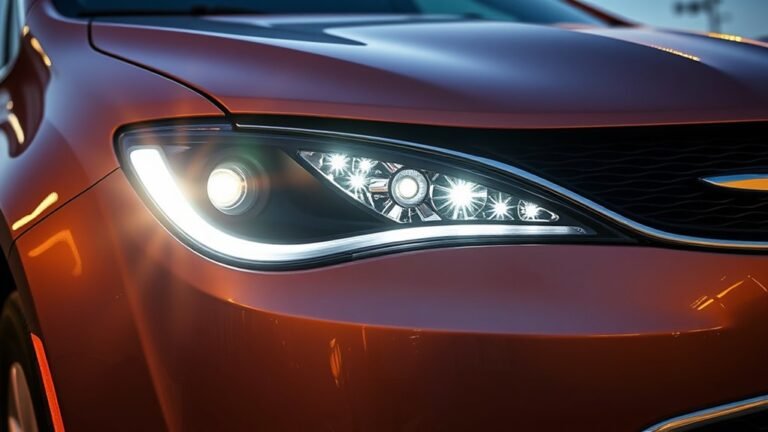
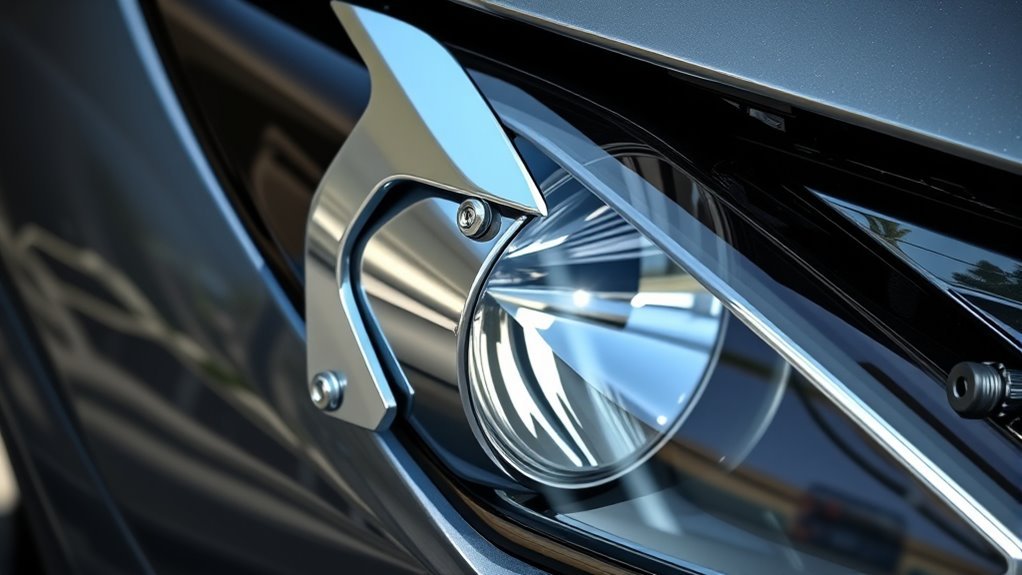
A headlight bracket is an essential component of your vehicle that holds your headlight securely in place.
This crucial part keeps the headlight aligned, ensuring clear and bright visibility while driving. Additionally, it acts as a cushion against minor impacts, protecting the headlight assembly from damage.
If the bracket becomes damaged, it can lead to issues like wobbling, misalignment, or moisture intrusion, which can significantly lower your safety on the road.
Headlight brackets are typically made from materials such as plastics, steel, or aluminum, and each material affects the durability and performance of the bracket.
To avoid potential problems, it’s important to keep your headlight bracket well-maintained. Regular checks can help you spot any issues early, ensuring that your headlights remain effective and safe.
If you do encounter problems, knowing how to fix them can save you time and ensure a smooth driving experience.
Key Takeaways
- A headlight bracket securely holds the headlight assembly in place on a vehicle.
- It ensures proper headlight alignment for optimal road visibility and safety.
- Plus, the bracket absorbs minor impacts, protecting the headlight during small collisions.
- However, damaged brackets can lead to misalignment. This reduces illumination and can cause glare to other drivers.
- Finally, the material choice affects the bracket’s durability, strength, and resistance to environmental damage.
Definition and Function of a Headlight Bracket
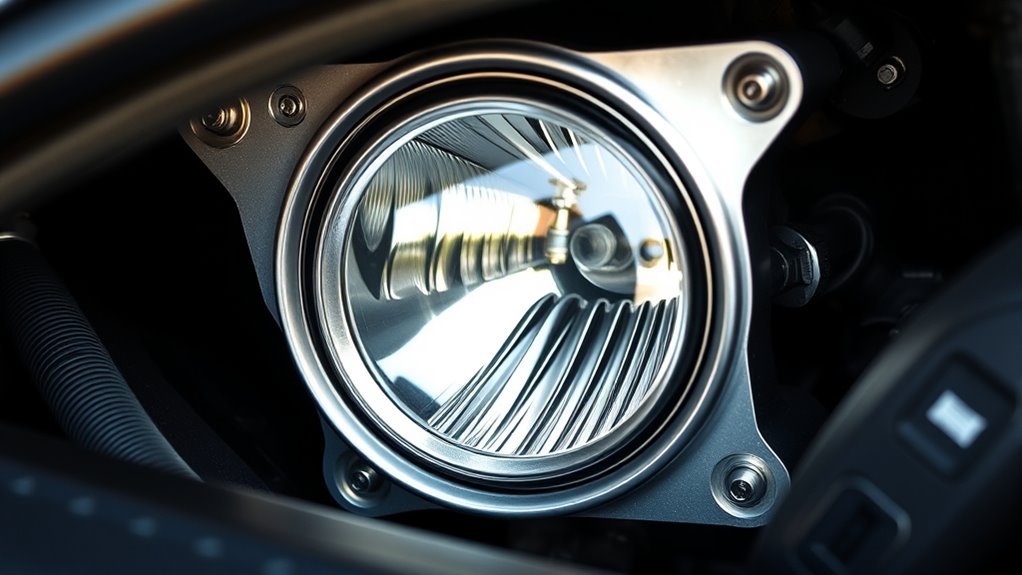
A headlight bracket is the key component that holds your vehicle’s headlight assembly firmly in place, guaranteeing it stays properly aligned for maximum visibility.
Located in the front end of your car, this bracket plays a vital role by securing the headlight so it doesn’t shift or misalign while driving.
It also absorbs minor impacts, protecting the headlight assembly during small collisions.
If the bracket isn’t installed correctly or becomes worn over time, your headlights can lose proper alignment.
This can reduce illumination and cause glare that affects your safety and other drivers.
Maintaining a sturdy headlight bracket in the front end guarantees your lights function reliably.
A strong headlight bracket ensures consistent light performance and safe driving visibility.
This keeps your vision clear and your vehicle visible in all conditions.
Common Materials Used in Headlight Brackets
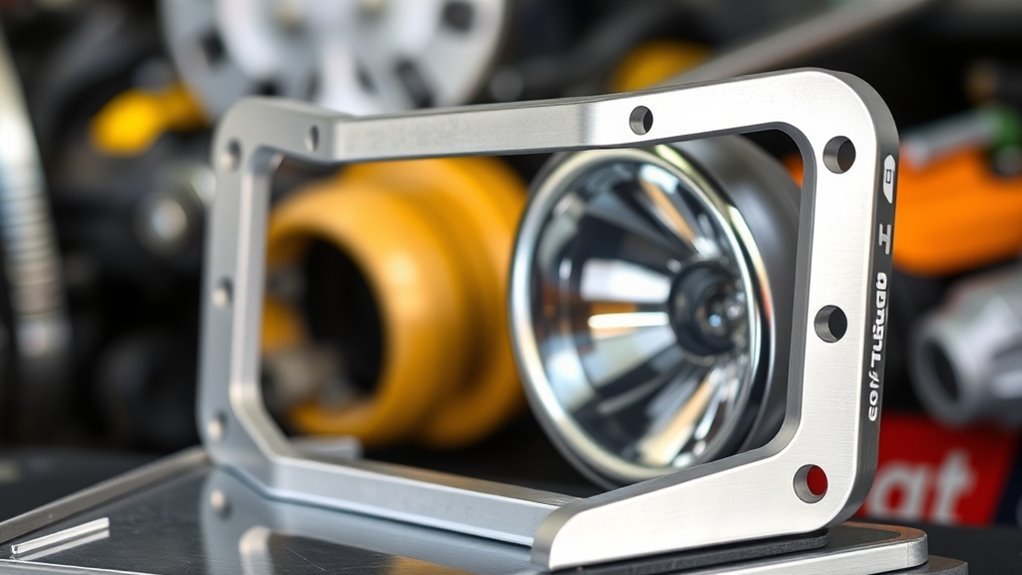
Choosing the right material for your headlight bracket directly influences its strength, durability, and performance under stress.
Commonly, manufacturers use advanced engineering plastics, high-strength steel, or lightweight aluminum alloys for these brackets.
Engineering plastics like glass-fiber-reinforced polyamide offer excellent strength-to-weight ratios and thermal stability.
This makes them flexible yet heat resistant.
High-strength steel provides superior rigidity and crash protection.
However, it needs maintenance to prevent rust if coatings get damaged.
Aluminum alloys stand out for being lightweight and corrosion-resistant.
Though, they might suffer fatigue or galvanic corrosion when touching other metals.
Understanding these materials helps you appreciate why headlight brackets are designed to balance safety, longevity, and performance in your vehicle’s lighting system.
How Material Choice Affects Durability and Performance
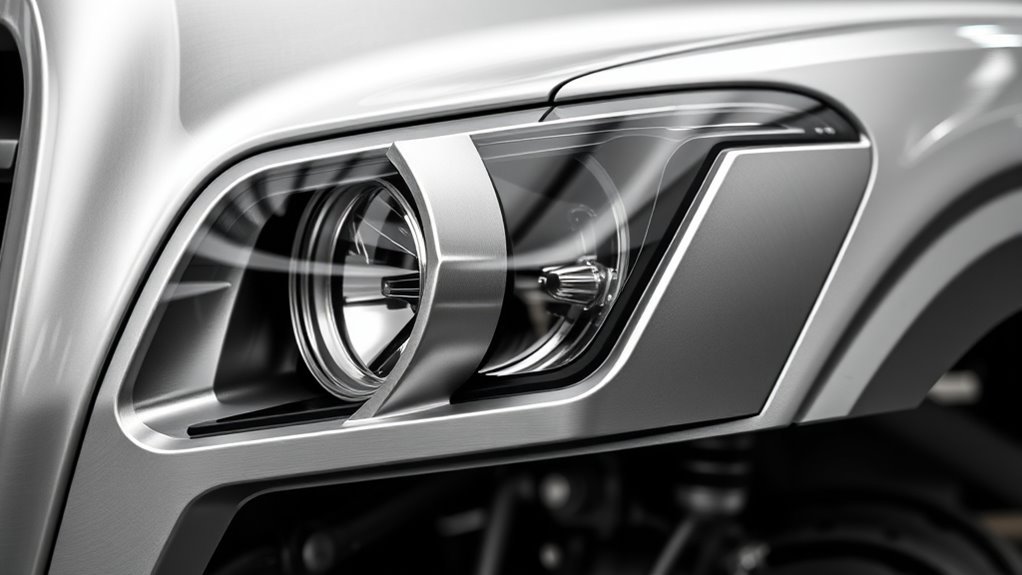
When you pick a material for your headlight bracket, you directly impact how well it stands up to wear and performs in real-world conditions.
Engineering plastics like PA6-GF30 offer flexibility and resist cracking and heat, keeping your headlight secure and durable.
High-strength steel gives you excellent rigidity and crash protection, but you’ll need to watch out for corrosion if coatings fail.
Aluminum alloys reduce weight, helping with overall vehicle efficiency, but they can develop fatigue cracks and suffer galvanic corrosion when touching different metals.
Your choice affects more than just durability—it influences crash safety by determining how well the bracket absorbs energy and holds the headlamp in place during impacts.
Picking the right material means balancing strength, flexibility, weight, and resistance to environmental damage for peak performance.
Signs of a Damaged or Failing Headlight Bracket
Noticing your headlights wobble or misalign? That’s a clear indicator that the bracket holding them may be damaged or failing.
If your headlights wobble or misalign, it’s a sign the mounting bracket might be damaged or failing.
If you spot any of these signs, it’s time to check the bracket:
- Visible cracks or breaks in the bracket material.
- Loose or wobbly headlight assembly when touched.
- Misaligned headlights causing poor nighttime visibility.
- Water or fogging inside the headlight housing.
- Increased wear or flickering of the headlight bulb.
Ignoring these signs can compromise your safety on the road.
Plus, it can cause further damage to the headlight system.
Staying alert to these symptoms helps you address issues early.
That way, you can keep your headlights securely positioned for peak performance.
Best Practices for Installation and Maintenance
When installing your headlight bracket, make sure you use the proper torque settings to avoid damage from overtightening.
Regularly inspect the bracket for any signs of wear or looseness to catch issues early.
Staying on top of these steps helps keep your headlights aligned and functioning safely.
Proper Torque Settings
Although it may seem minor, applying the correct torque to your headlight brackets is essential to keep them securely attached without damaging the plastic components.
Using a torque wrench helps you apply the manufacturer’s recommended values, usually between 15 and 25 ft-lbs.
Here’s why you should follow proper torque settings:
- Prevent cracking or brittleness caused by overtightening plastic parts.
- Avoid bracket deformation that affects headlight alignment.
Guarantee stable attachment to reduce vibrations and misalignment.
Maintain peak lighting performance and safety.
Extend the life of the headlight assembly by following specs.
Always stick to your vehicle’s manual for torque specs.
This way, you protect delicate components and keep your headlights functioning perfectly without risking damage or loosening over time.
Routine Inspection Tips
Since headlight brackets endure constant stress from vibrations and environmental factors, you should inspect them regularly for cracks, misalignments, or wear.
Check all mounting points, including T40 bolts and T30 screws, to confirm they’re securely tightened.
Use a torque wrench and follow manufacturer-recommended torque specs to avoid overtightening, which can crack plastic components.
Clean the brackets and surrounding areas often, especially in winter, to remove debris and road salt that cause corrosion.
After any collision or headlight replacement, always verify and adjust headlight alignment to maintain ideal visibility and meet safety standards.
Repairing vs. Replacing a Headlight Bracket
Deciding whether to repair or replace a headlight bracket depends largely on the extent and type of damage it has sustained.
You’ll want to weigh several factors before making a choice:
- Minor cracks can often be repaired with epoxy or welding, saving you money.
- However, severe damage like bent or extensively cracked brackets usually means replacement is necessary.
- Plastic brackets tend to be easier and more cost-effective to repair than metal ones.
- On the other hand, metal brackets suffering from fatigue or corrosion often require replacement to guarantee safety.
- Regular inspections can catch damage early, helping you decide the best course of action.
Keep these points in mind as you evaluate your options!
Frequently Asked Questions
What Is the Difference Between a Mount and a Bracket?
You’ll find that a mount attaches the headlight bracket to your vehicle.
The bracket itself supports and aligns the headlight.
They work together, but the mount connects, and the bracket stabilizes your light assembly.
How Much Does It Cost to Replace a Whole Headlight Assembly?
Replacing your headlight assembly can cost between $100 and $700, much like buying a new pair of glasses to brighten your view.
Luxury models might exceed $1,000, especially with advanced tech.
Labor adds $50 to $150 more.
What Is the Part Called That Holds the Headlight in Place?
The part that holds your headlight in place is called the headlight bracket.
It secures the headlight to your vehicle’s frame, keeping it stable and properly aligned for safe, effective illumination while you drive.
What Are Common Headlight Assembly Problems?
Think of your headlight assembly as a delicate dance partner—common problems include broken brackets, loose bolts, and misalignment.
If you ignore these issues, your headlights might wobble or point wrong.
This can seriously risk your safety on the road.
Conclusion
Now that you know a headlight bracket keeps your headlights steady and aligned, imagine driving at night with headlights misaligned.
Studies show that 60% of nighttime accidents involve poor visibility.
Keeping your brackets in top shape isn’t just about your car’s look; it’s about your safety and others on the road.
Regular checks and timely replacements guarantee your lights work perfectly, giving you clear vision and peace of mind every time you hit the road.
In conclusion, maintaining your headlight bracket is crucial for safe driving.
Don’t overlook its importance; a well-aligned headlight enhances visibility and reduces the risk of accidents.
Make it a habit to check your brackets regularly, and ensure they are in good condition.
Your safety and that of others depend on it!