What Happens to a Car Without Engine Oil?
If you drive your car without engine oil, you’re in for serious trouble.
The moving parts start to rub together, creating intense friction that quickly leads to overheating.
You might hear knocking or grinding sounds almost immediately as the metal components scrape against each other, leading to accelerated wear and tear.
Without oil’s protective layer, critical components can warp or even seize up, causing catastrophic damage in just minutes.
Ignoring these warning signs can result in costly repairs or, worse, total engine failure.
So, let’s dive in and explore how to spot trouble early and protect your engine from this avoidable disaster.
Key Takeaways
- Without engine oil, metal parts grind directly, causing severe friction and immediate engine damage.
- The engine overheats rapidly due to lack of oil’s heat dissipation properties.
- Knocking and grinding noises occur as lubrication fails, signaling critical engine distress.
- Prolonged driving without oil leads to warped components, engine seizure, and total failure.
- Neglecting oil maintenance drastically shortens engine lifespan and results in costly repairs.
The Critical Role of Engine Oil
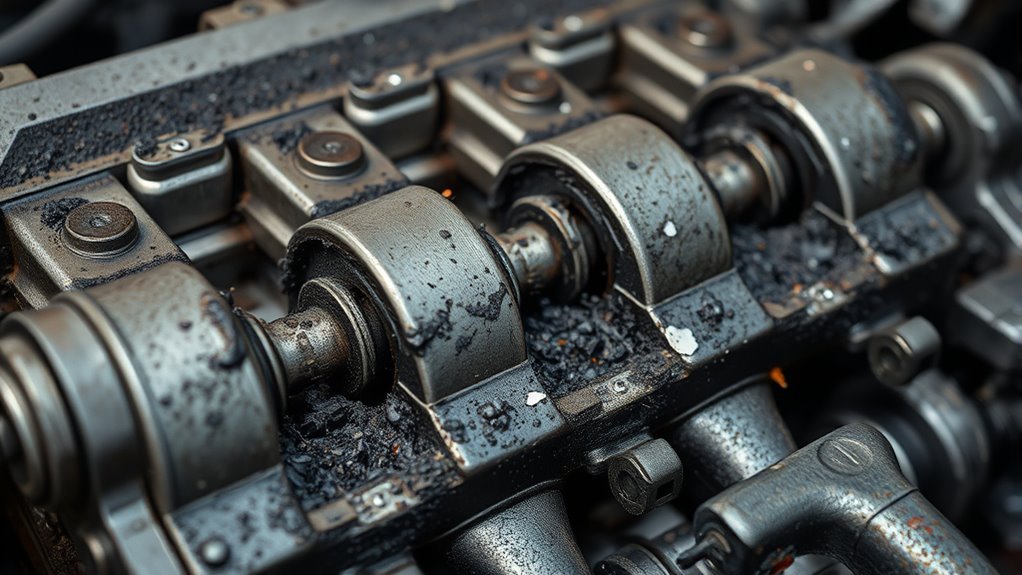
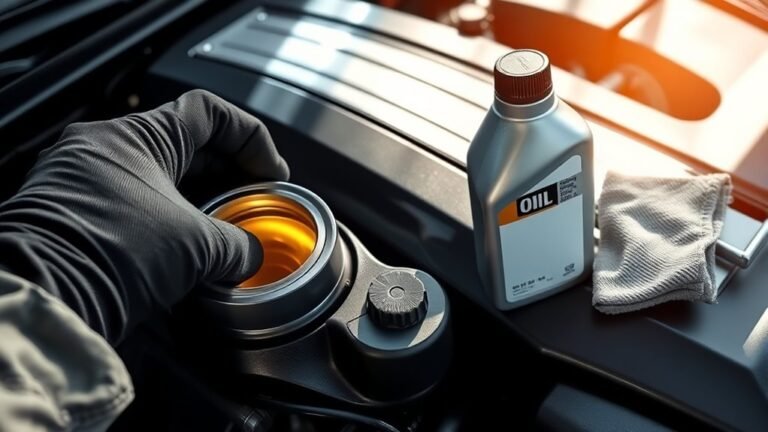
Although you might not see it, engine oil plays an indispensable role in keeping your car running smoothly by lubricating moving parts and reducing friction.
It forms a protective film that separates metal components, helping reduce wear and tear that would otherwise damage your engine.
Without this lubrication, metal parts would grind against each other, leading to serious damage.
Engine oil also helps dissipate heat, preventing your engine from overheating.
That’s why regular maintenance, including timely oil changes, is vital.
Fresh oil guarantees these tasks are performed effectively, improving your vehicle’s performance and extending its lifespan.
Neglecting oil maintenance compromises these functions, increasing friction and wear.
Immediate Effects of Driving Without Oil

If you start driving without engine oil, you’ll quickly notice unusual knocking or grinding sounds.
This happens because metal parts rub together without lubrication.
This increased friction causes the engine to overheat almost immediately since oil normally helps cool it down.
Ignoring these signs puts your engine at serious risk of damage within minutes.
Engine Noise and Friction
When you drive without engine oil, metal parts rub together harshly, causing immediate friction that makes your engine run roughly.
This increased friction between metal surfaces leads to rapid wear and tear, damaging essential components within minutes.
As the lubrication disappears, the metal parts grind against each other, producing unusual knocking or grinding noises that signal serious internal damage.
You’ll notice your engine sounding louder and more strained because those protective oil layers that usually keep parts sliding smoothly are missing.
This friction doesn’t just cause noise; it accelerates deterioration, sharply increasing the risk of permanent harm.
Ignoring these sounds means risking extensive engine damage, so recognizing this early warning is vital to prevent costly repairs or complete engine failure.
Overheating Risks
Because engine oil lubricates and cools crucial parts, running your car without it causes friction to skyrocket. This makes the engine heat up almost instantly.
This lubrication failure means critical components like pistons and cylinders face intense metal wear. They grind against each other without protection, leading to severe damage.
Overheating sets in within minutes, warping metal parts and damaging engine integrity.
If you keep driving, the engine temperature will continue rising dangerously. This increases the risk of connecting rod failure and eventual engine seizure.
Overheating isn’t just a warning sign—it’s a ticking clock. Without oil, your engine could seize in as little as half an hour.
That could lead to costly repairs or even a full engine replacement. So, never underestimate the essential role engine oil plays in preventing overheating risks.
How Overheating Damages Your Engine
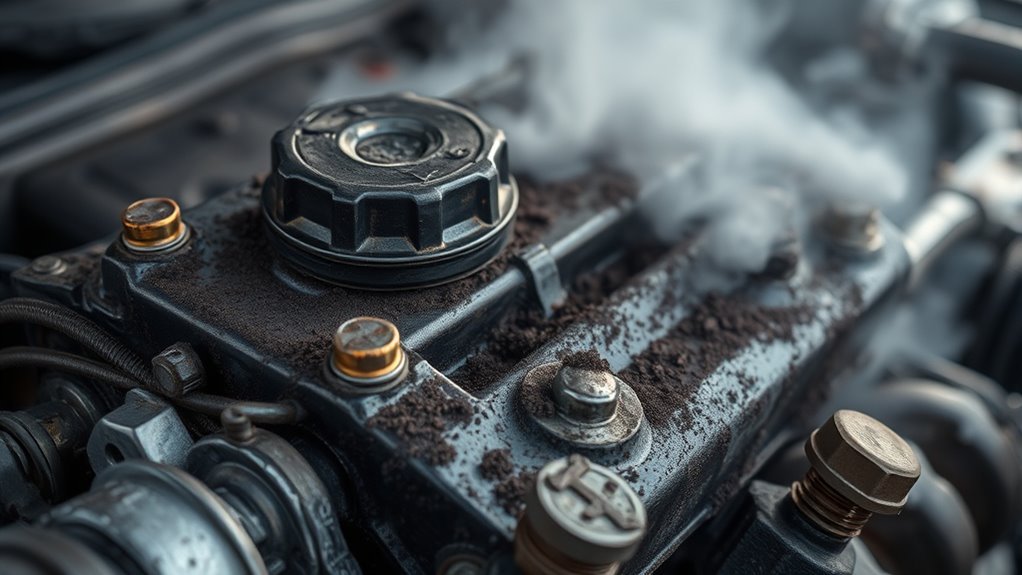
As engine oil runs low, your engine’s temperature can skyrocket, causing metal parts to warp and seize.
Overheating leads to lubrication failure, which means moving engine components lose the slick protection they need.
Overheating causes lubrication to fail, stripping engine parts of essential slick protection.
Without this, friction spikes, and damage happens fast.
Here’s what you face when overheating takes hold:
- Metal parts warp and expand, disrupting engine alignment.
- Critical engine components weld together from intense heat and friction.
- Connecting rods can break, causing catastrophic engine failure.
Each of these issues stems from overheating and lack of lubrication.
The damage isn’t just immediate; it compromises your engine’s integrity and performance.
To avoid costly repairs, keep your oil at the right level and prevent overheating before it starts.
Long-Term Consequences of Oil Neglect
If you ignore engine oil for too long, you’ll cause serious wear to critical engine parts that won’t just slow your car down—they’ll lead to expensive repairs.
Without proper lubrication, metal components grind against each other, increasing the risk of catastrophic failure.
Over time, this neglect can cost you far more than regular oil changes ever would.
Engine Component Wear
When you run your engine without sufficient oil, the lack of lubrication causes friction that quickly wears down critical components like pistons, camshafts, and bearings.
This engine component wear happens most rapidly during startup, as about 65% of wear occurs before oil fully circulates.
Without regular oil changes, this damage accumulates, leading to lubrication failure and overheating.
You risk:
- Warped metal parts from excessive heat
- Bearing damage that compromises engine stability
- Seized engines caused by failed connecting rods
Neglecting oil maintenance doesn’t just harm parts temporarily; it permanently reduces your engine’s lifespan and resale value.
Staying on top of oil changes prevents severe friction and keeps your engine running smoothly.
Costly Repair Risks
Ignoring oil maintenance doesn’t just wear down your engine parts—it sets you up for costly repairs that can drain your wallet.
Driving without oil leads to insufficient lubrication, causing critical components to warp or seize.
This damage often results in engine failure, requiring expensive repairs or even a full engine replacement costing between $3,000 and $7,000.
The consequences of driving without proper oil are severe.
Engine wear primarily occurs in the first moments after ignition, making consistent oil levels crucial.
Neglecting this not only shortens your vehicle’s lifespan by years but also greatly lowers its resale value.
Warning Signs of Low or No Engine Oil
How can you tell if your engine oil is running low or completely gone?
Watch for these clear warning signs:
- Unusual engine noises – Knocking or grinding sounds mean metal parts are rubbing without enough lubrication. This can cause serious damage.
- Dashboard warning lights – If your oil pressure or check engine light comes on, it’s a signal to check your oil levels immediately. Don’t ignore these warnings!
- Burning oil smell – A distinct odor may indicate oil is leaking or burning due to insufficient lubrication. This could lead to bigger problems down the road.
Ignoring these signs risks severe engine damage.
You might also notice poor vehicle performance or smoke from the engine compartment. This can signal overheating from a lack of oil.
Being aware of these symptoms helps you act quickly before costly repairs become necessary.
Essential Preventive Maintenance Practices
Recognizing warning signs of low or no engine oil is just the first step to protecting your car’s engine.
To keep your engine running smoothly, prioritize regular oil checks and timely oil changes based on your vehicle’s guidelines.
This guarantees oil circulates effectively, reducing wear and preventing damage.
Always use high-quality oil that matches your car’s specs, and monitor for leaks to avoid sudden lubrication loss.
Scheduling routine maintenance helps assess oil quality, preserving engine health.
| Maintenance Task | Purpose |
|---|---|
| Check oil level | Guarantee oil circulates properly |
| Perform oil change | Replace degraded oil |
| Inspect for leaks | Prevent lubrication loss |
| Routine engine checks | Maintain overall engine health |
Frequently Asked Questions
How Long Can a Car Run Without Engine Oil?
You can only run your car for a few minutes without engine oil before serious damage starts.
If you keep going, within about half an hour, the engine will likely seize and cause costly repairs.
How Will a Car Act if It Has No Oil?
You might think your car will just stop instantly without oil,
but it’ll actually run roughly, make knocking noises, lose power, and overheat quickly.
Ignore these signs, and you’ll risk severe engine damage or seizure.
Is My Engine Ruined From No Oil?
Yes, your engine’s likely ruined if it ran without oil for any significant time.
You’ll notice strange noises, poor performance, or warning lights.
It’s essential to get it checked immediately to assess damage and avoid further harm.
How Fast Will an Engine Seize Without Oil?
Your engine can seize within 30 minutes without oil.
It only takes a few minutes for damage to start, as lack of lubrication causes friction and heat.
This leads to metal parts grinding and welding together, which ultimately results in failure.
Conclusion
Without engine oil, your car overheats, seizes, and grinds to a halt.
Friction starts to eat away at crucial parts, leading to irreversible damage and costly repairs.
Without oil, your engine’s life shortens, and your safety risks increase.
So, don’t ignore warning signs and don’t skip maintenance.
It’s a gamble you don’t want to take with your car’s health!
Protect your engine by checking oil regularly, changing it as needed, and keeping your ride running smoothly and safely every mile.
In conclusion, regular oil checks and timely changes are vital for your engine’s longevity and your safety.
Ignoring these simple tasks can lead to severe damage and hefty repair bills.
Take care of your car to ensure it stays in top shape and keeps you safe on the road!