Blog

  • Best Oils for German Cars?

    You want fully synthetic engine oils that meet strict manufacturer approvals like MB 229.5, VW 504.00, or VW 507.00 to protect your German car’s complex engine.

    These oils flow quickly at cold starts, reduce wear, and keep emission systems clean with low SAPS technology.

    Trusted brands like Mobil 1™, FUCHS, and LIQUI MOLY offer premium options.

    Using the right viscosity and approved oils guarantees your engine runs smoothly and lasts longer—explore further to see why these details matter.

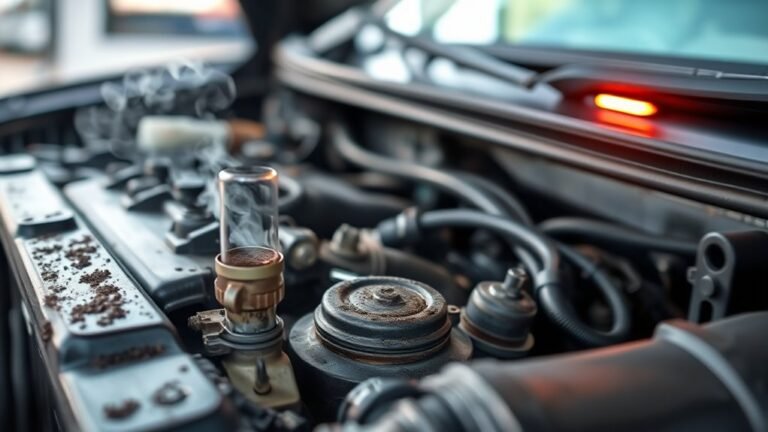
  • What Happens to a Car Without Engine Oil?

    If you drive your car without engine oil, the moving parts rub together and create extreme friction that quickly overheats the engine.

    You’ll likely hear knocking or grinding sounds almost immediately as metal parts scrape and wear out.

    Without oil’s protective layer, critical components can warp or seize, causing serious damage in minutes.

    Ignoring these signs leads to costly repairs or total engine failure.

    Keep going to discover how to spot trouble early and protect your engine.

  • 7 Key Symptoms of Low Engine Oil in a Car

    If your oil pressure warning light turns on, it means your engine oil pressure is too low, signaling a lubrication problem.

    You might hear knocking or tapping noises as metal parts rub without enough oil.

    Your engine could overheat more often, and the low oil level indicator might light up.

    You may notice excessive exhaust smoke, a drop in engine performance, and oil that darkens quickly.

    Spotting these signs early helps protect your engine—keep exploring to understand how to prevent damage.

  • 7 Best Classic Car Engine Oils for Optimal Performance

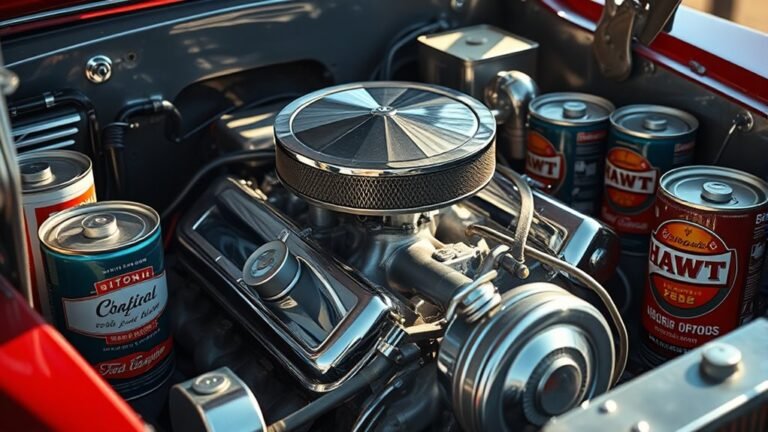
    You’ll want oils designed for classic engines, like Valvoline VR1 Racing Oil or HR Hot Rod Engine Oil, packed with high ZDDP (around 1,200 ppm) to protect flat-tappet camshafts and maintain proper wear resistance.

    Thicker viscosities such as 20W-50 help older engines keep essential oil pressure and minimize leaks.

    Using fresh oil with corrosion inhibitors and the right additives also guards against sludge and storage damage.

    Keep exploring for expert picks and maintenance tips to keep your vintage engine running smoothly.

  • Top 10 Best Car Engine Oil Brands for Ultimate Performance in 2027

    If you want the best engine protection and performance in 2027, brands like Mobil 1, Castrol EDGE, and Pennzoil Platinum lead the way with advanced synthetic formulas that boost fuel efficiency and reduce wear.

    Valvoline MaxLife is ideal for older engines, while Kirkland Signature offers reliable, budget-friendly options.

    Choosing oils that meet your vehicle’s viscosity and automaker approvals guarantees optimum results.

    Keep exploring to discover how these oils meet diverse needs and environmental goals.

  • What Do Oil Jets Have in Car Engines?

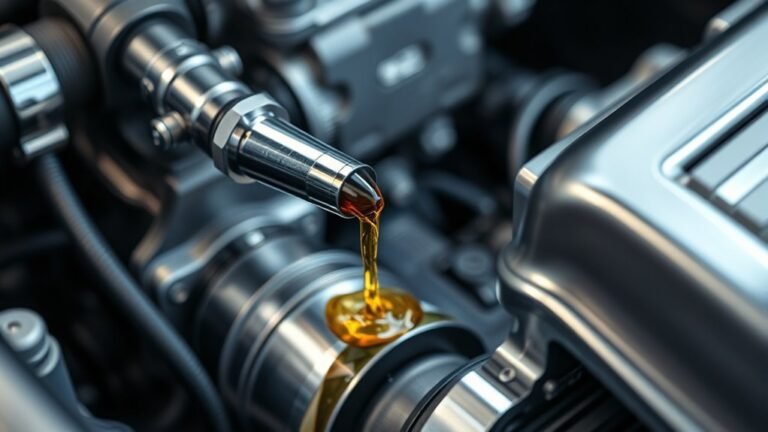
    You rely on oil jets in your car engine to spray pressurized oil onto piston skirts. This provides essential cooling and lubrication to reduce heat and wear.

    These jets help keep your engine running smoothly, extend component life, and prevent overheating.

    If an oil jet clogs or fails, you might see increased oil consumption or engine damage.

    Knowing how they work and how to maintain them can help you protect your engine and improve performance.

  • 7 Signs to Replace Your Car Suspension

    You should replace your car suspension if you notice difficulty steering or the vehicle pulling to one side.

    These issues can seriously affect your control.

    Check for uneven or excessive tire wear, as worn shocks can cause this.

    Also, look out for fluid leaks near the shocks.

    Unusual noises like clunking or squeaking when you go over bumps are also signs of trouble.

    If your car keeps bouncing after hitting a bump or leans to one side, those are clear warnings.

    Keep going to understand all the signs and protect your ride!

  • 7 Essential Suspension Care Tips for Cars Near the Ocean

    If you drive near the ocean, inspect your suspension regularly for signs of wear, like bouncing or noises.

    Washing the undercarriage often is a must to remove salt and sand that cause rust.

    Then, apply protective coatings on metal parts.

    Keep your tires aligned and properly inflated to avoid uneven wear.

    Replace worn suspension components promptly, and adjust your driving to avoid sudden stops or heavy loads.

    Stick with smart care, and you’ll discover even more ways to keep your suspension in top shape.

  • 7 Essential Tips for Suspension Care After Heavy Rain

    After heavy rain, start by inspecting your suspension for leaks and check all air line connections to guarantee nothing’s loose or damaged.

    Measure and adjust air spring pressure to the recommended level.

    Then clean mud and debris from components to avoid corrosion.

    Don’t forget to lubricate moving parts and consider adjusting suspension settings for better traction or clearance.

    Finally, schedule a professional check for alignment and potential issues.

    Keep going to uncover more ways to protect your suspension.

  • What Is Off Road Car Suspension and How Does It Work?

    Off-road car suspension keeps your vehicle stable and responsive on rough terrain by absorbing shocks and maintaining tire contact.

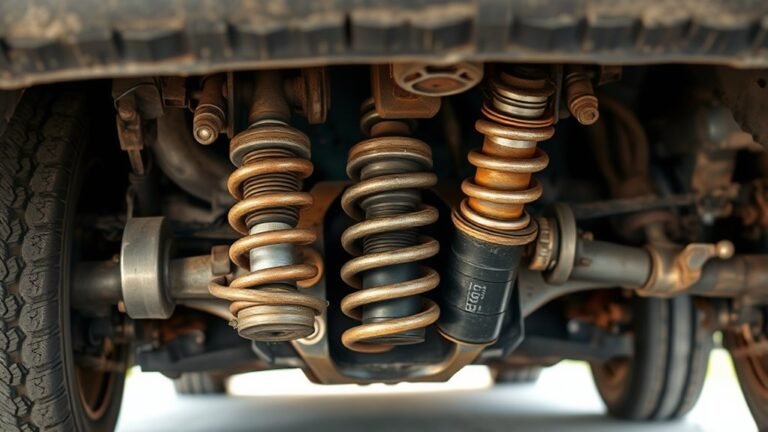
    It uses springs, shock absorbers, and control arms to handle bumps, while allowing wheels to move independently for better traction and control.

    This system helps you navigate obstacles smoothly and prevents damage to your vehicle.

    If you want to understand how each component works together and boosts your off-road performance, there’s more to explore ahead.