Blog

  • Benefits of Smokeless Car Oil

    You’ll find that smokeless car oil helps reduce visible exhaust smoke and cuts down on oil consumption, especially if your engine’s older and prone to burning oil.

    It forms a protective barrier inside the engine, keeping oil from burning off too quickly, which can improve performance temporarily.

    While it doesn’t solve underlying engine issues, it can lower emissions and help pass tests.

    If you want to know how it stacks up against other oils and affects engine life, keep exploring.
  • 7 Most Expensive Car Oils and What Sets Them Apart

    You want premium oils like Amsoil Signature Series or Castrol EDGE because they deliver exceptional engine protection.

    Thanks to advanced additives and synthetic base oils, these oils withstand extreme temperatures, reduce engine wear, and extend oil change intervals up to 25,000 miles.

    Brands like Mobil 1, Pennzoil Ultra Platinum, Royal Purple, and Valvoline offer similar benefits.

    They combine superior thermal stability and fuel efficiency.

    Keep exploring to discover what truly sets each top-tier oil apart.

  • 5 Best Oils for Japanese Cars: Top Picks for Performance

    To keep your Japanese car running smoothly, choose engine oils like Mobil 1, Castrol EDGE, Royal Purple, Valvoline Advanced Full Synthetic, or Shell Helix.

    These oils provide excellent protection, reduce wear, and suit various driving conditions.

    Always pick the right viscosity and synthetic type based on your vehicle’s needs and mileage to guarantee peak performance and longevity.

    Want to know which oil fits your driving style and engine perfectly? You’ll find detailed guidance ahead.

  • Top 7 Engine Oils for Classic Cars

    You want engine oil with high zinc and ZDDP to protect your classic car’s older engine from wear.

    Focusing on thicker viscosities like 10W-40 or 20W-50 is a good idea.

    Conventional oils with elevated anti-wear additives work well, but some synthetic blends offer superior stability.

    High mileage oils with seal conditioners can reduce leaks and consumption.

    Changing oil every 3,000–5,000 miles keeps your engine healthy.

    Keep exploring to discover which specific brands and formulas fit your classic car best.

  • Best Types of Passenger Car Oil for Your Vehicle

    To keep your car running smoothly, choose engine oil that matches your vehicle’s manufacturer recommendations.

    Focus on the right viscosity, like 5W-30 or 10W-40, for your climate.

    Synthetic oils offer longer protection and better performance in extreme conditions.

    On the other hand, high-mileage oils help older engines stay sealed and clean.

    Consider your driving habits and local temperatures when picking oil.

    This will help guarantee efficiency and engine health.

    Explore further to find what suits your car best!

  • Different Oil Types for Cars

    You’ll find several motor oil types to suit your car’s needs.

    Conventional oil is affordable and fine for typical driving but less durable.

    Synthetic oil offers better engine protection and lasts longer, ideal for extreme conditions.

    Synthetic blends combine both strengths for moderate use, while high mileage oil helps older engines run smoother.

    Don’t forget to match the oil’s viscosity with your engine’s requirements.

    Keep going to discover which choice fits your vehicle best.

  • 5 Essential Facts About Passenger Car Motor Oil

    You should change your car’s oil regularly, following the manufacturer’s intervals to protect your engine from wear.

    Always check motor oil labels for the right viscosity and API standards to guarantee proper lubrication.

    Don’t rely solely on oil color to judge its condition; contamination matters more.

    Oil additives help keep your engine clean and reduce friction.

    If you have an older car, be cautious with synthetic oils as they might cause leaks or other issues.

    Keep these facts in mind, and you can discover more to keep your engine running smoothly.

  • What Does Your Car Engine Oil Color Chart Reveal About Oil Condition?

    Your car engine oil color chart tells you a lot about your oil’s health.

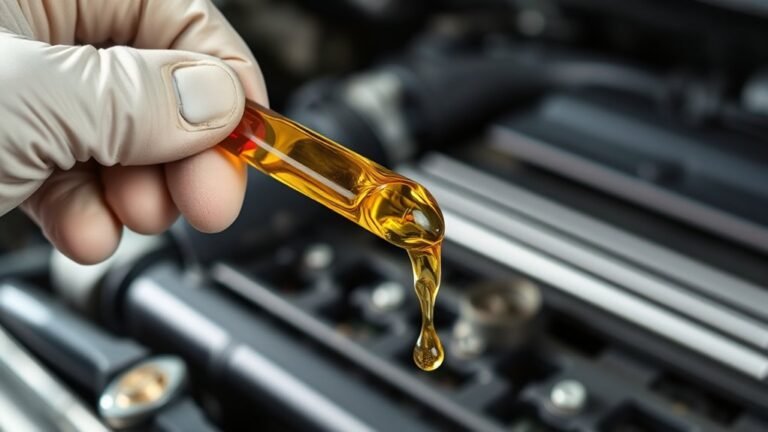
    Fresh oil is clear, amber, and translucent—meaning it’s clean and doing its job.

    Dark brown to black oil signals contamination or overdue changes that can harm your engine.

    Milky or frothy oil means coolant is mixing in, requiring immediate attention.

    Checking texture and smell also helps spot problems early.

    Keep an eye on your oil condition, and you’ll understand how to protect your engine better.

  • Can You Put Car Engine Oil in a Lawn Mower?

    You can put car engine oil in a four-stroke lawn mower as long as it matches the recommended grade, like SAE 30 or 10W-30.

    But avoid using car oil in two-stroke mowers because they need a special oil-fuel mixture for proper lubrication.

    Using the wrong oil may cause engine damage, smoking, or poor performance.

    If you want to keep your mower running smoothly, it’s important to use the right oil.

    So, make sure to learn about the best oil choices and maintenance tips to keep your mower in top shape.

    Keep exploring this topic further!

  • What Color Should My Car Oil Be?

    Your car oil should be a clear golden or light brown color, indicating it’s clean and protecting your engine well.

    If it turns dark brown or black, it’s aging or contaminated and needs changing soon.

    Milky or frothy oil means coolant contamination, which is serious and requires quick attention.

    By regularly checking your oil’s color, you can catch potential engine issues early and keep your vehicle running smoothly.

    Keep going to discover how to check and maintain your oil properly.