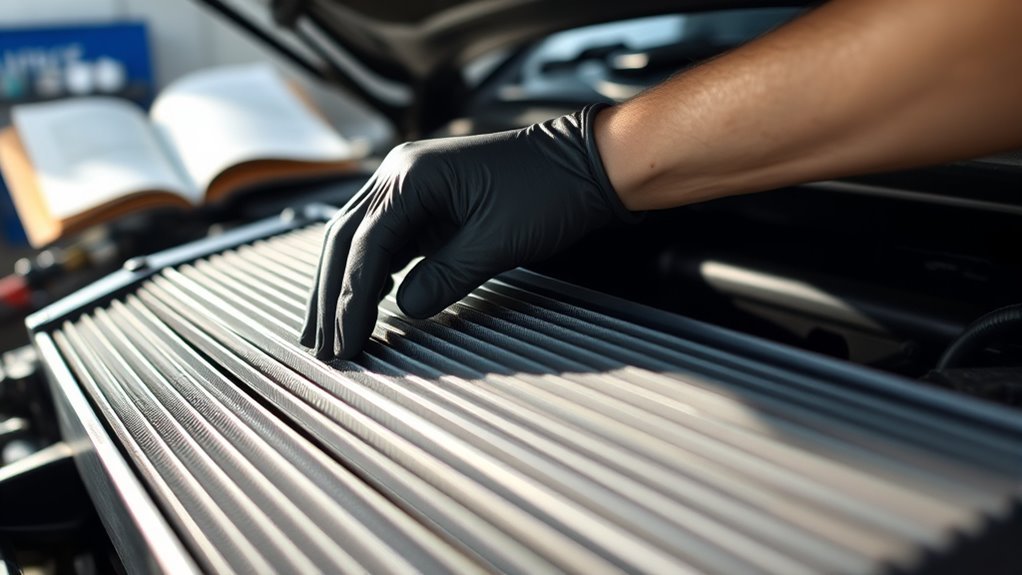
How Long Do Car Radiators Last – A Comprehensive Maintenance Guide
Car radiators typically last 8 to 12 years or up to 150,000 miles.
However, how well yours holds up really depends on your maintenance habits.
To ensure longevity, change your coolant every two years.
It’s also important to maintain a proper 50:50 coolant-to-water mix.
Additionally, make it a habit to check for leaks or corrosion annually.
Ignoring these steps can lead to overheating and costly repairs.
So, keep an eye out for signs like coolant leaks or engine overheating to act early.
There’s definitely more to learn about protecting your radiator and saving money in the long run!
Key Takeaways
- Car radiators typically last 8 to 12 years or 100,000 to 150,000 miles with proper maintenance.
- It’s important to regularly inspect for leaks, corrosion, and coolant condition every 12 months or 12,000 miles.
- Changing antifreeze every two years or 30,000 miles helps to prevent rust and maintain cooling efficiency.
- Additionally, flushing the radiator periodically can remove sediment, which helps to prevent overheating or engine damage.
- If you notice signs like coolant leaks, overheating, or discolored coolant, make sure to address them promptly. This can help you avoid costly repairs down the line.
Typical Lifespan of a Car Radiator
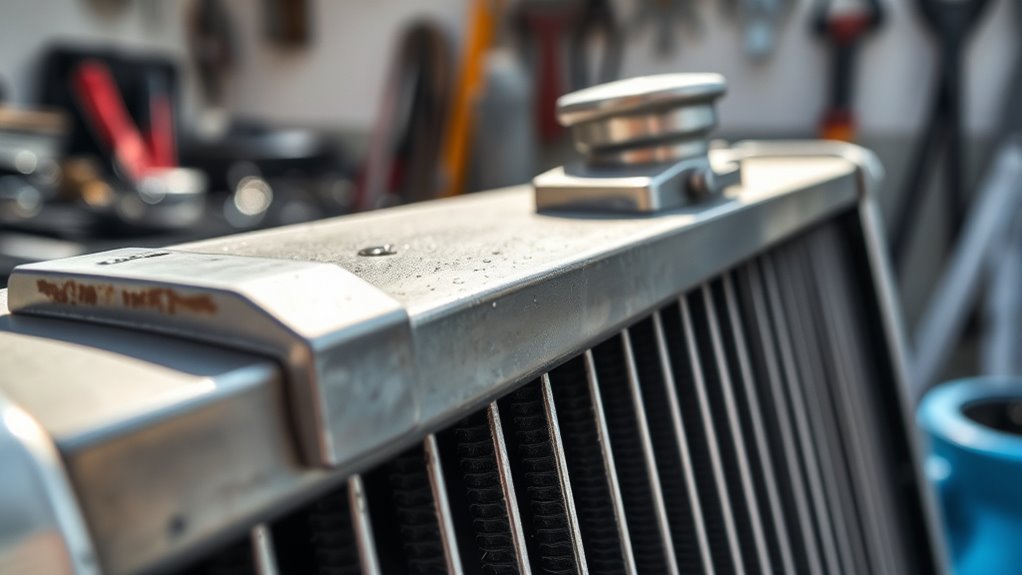
A car radiator typically lasts between 8 to 12 years or about 100,000 to 150,000 miles.
But how long yours lasts will depend largely on maintenance and driving conditions. The typical lifespan of a car radiator hinges on how well you care for it.
The lifespan of your car radiator depends mainly on maintenance and driving conditions.
Regular radiator maintenance, such as changing the coolant every two years or 30,000 miles, plays an essential role in extending its life.
Using quality coolant and keeping an eye on the radiator’s condition helps prevent corrosion and overheating.
While materials affect durability—with copper or brass radiators lasting longer than aluminum—your maintenance habits remain key.
Key Factors Influencing Radiator Longevity
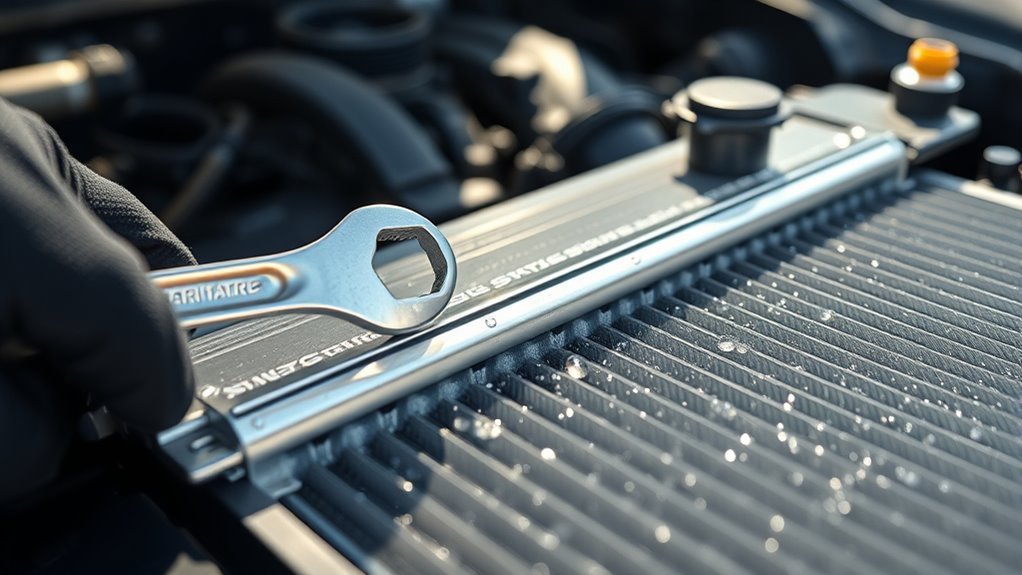
To keep your radiator lasting as long as possible, you’ll want to pay close attention to the quality of your coolant and how often you maintain the system.
Regular maintenance helps prevent buildup and corrosion that can shorten its lifespan.
Also, consider how your driving conditions—like extreme heat or cold—can put extra strain on the radiator.
Coolant Quality Impact
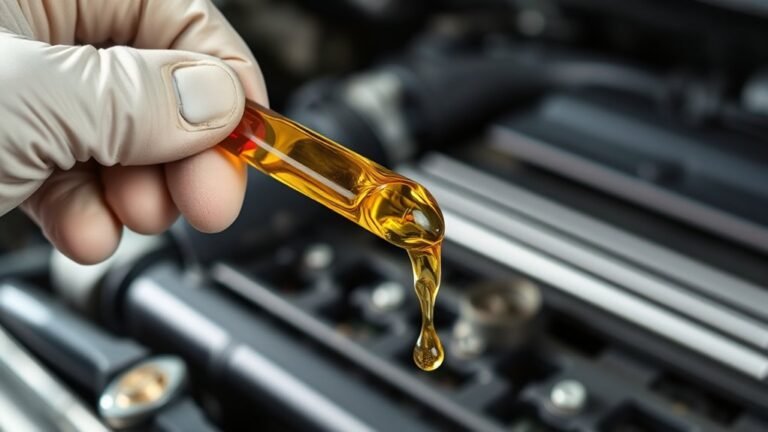
Because coolant quality directly affects your radiator’s durability, choosing high-quality antifreeze is essential to prevent corrosion and buildup.
The cooling system relies on a proper coolant-to-water ratio, usually 50:50, to transfer heat effectively and avoid freezing damage.
Using low-quality or contaminated coolant can cause overheating and accelerate wear on radiator components, leading to costly repairs.
Regularly changing your coolant every two years or 30,000 miles helps maintain peak function and prevents sediment buildup that clogs the radiator.
Keep an eye on coolant color and consistency; discoloration often signals underlying issues needing immediate attention.
Staying proactive about coolant quality not only safeguards your radiator but also enhances your vehicle’s overall performance and longevity, minimizing the need for unexpected repairs.
Maintenance Frequency Importance
Maintaining the right coolant quality sets the stage, but how often you check and service your radiator plays a big role in keeping it running smoothly.
Regular maintenance is key to preventing overheating and ensuring peak engine performance. Stick to these essential routines:
- Inspect your radiator every 12 months or 12,000 miles to catch leaks and corrosion early.
- Change antifreeze every two years or 30,000 miles to maintain proper cooling and prevent rust.
- Flush the radiator periodically to remove sediment that can hinder heat transfer and reduce lifespan.
Driving Conditions Effects
While driving conditions vary widely, they have a direct impact on your radiator’s lifespan and performance.
Extreme temperatures, stop-and-go traffic, and rough roads put extra stress on your radiator, increasing the risk of engine damage.
Off-road debris and heavy towing can also harm the radiator fins and accelerate wear.
Understanding these factors helps you protect your cooling system.
| Condition | Effect on Radiator | Emotional Impact |
|---|---|---|
| Extreme Temperatures | Increased stress | Worry about overheating |
| Rough Roads | Vibrations, leaks | Frustration |
| Heavy Towing | Faster wear, overheating | Concern for engine damage |
Signs Your Radiator Needs Attention
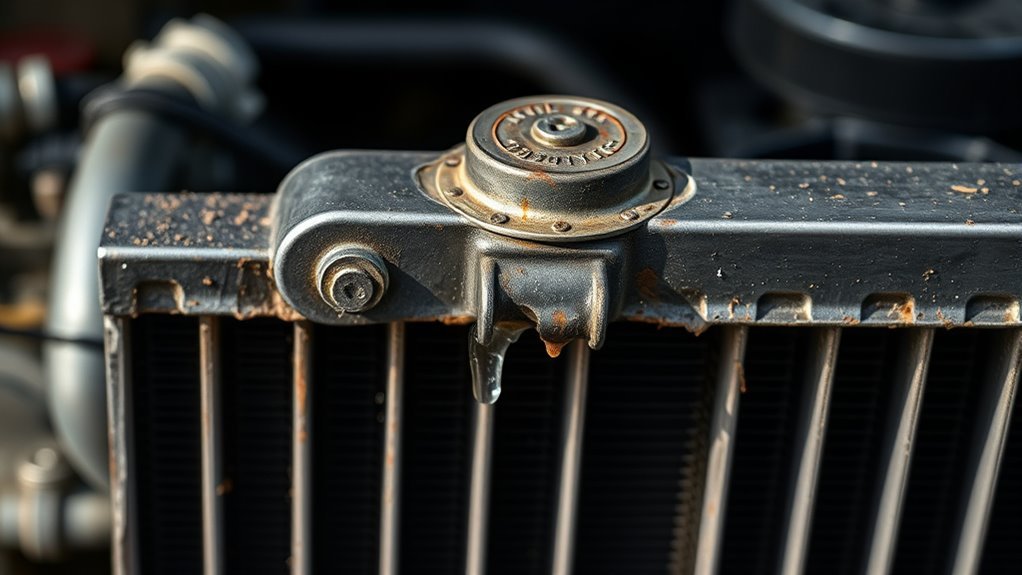
How can you tell if your radiator needs immediate attention?
Watch for these key signs that demand prompt auto repair to avoid engine damage.
First, visible coolant leaks underneath your vehicle often point to a damaged radiator or hose.
Second, an overheating engine with a rising temperature gauge signals that your radiator isn’t functioning properly.
Third, low coolant levels in the reservoir indicate potential radiator issues, risking overheating.
Look out for these signs:
- Dashboard overheat warning light activates
- Discolored or contaminated coolant, suggesting rust or debris
- Noticeable coolant leaks under your car
If you spot any of these, get your radiator checked immediately to keep your engine running smoothly and prevent costly repairs.
Essential Radiator Maintenance Practices
You should replace your coolant regularly to keep your radiator working efficiently and prevent buildup.
Always inspect for leaks, as even small drips can lead to serious engine problems.
Staying on top of these tasks helps your car run smoother and avoids costly repairs down the road.
Regular Coolant Replacement
Because coolant breaks down over time, you should replace it every two years or 30,000 miles to keep your radiator working efficiently.
Regular coolant replacement prevents corrosion and sediment buildup that can reduce your radiator’s performance and lead to costly repairs.
Maintaining proper coolant levels also avoids overheating and severe engine damage.
To guarantee effective coolant maintenance, remember to:
- Use the correct antifreeze concentration to prevent freezing and radiator damage.
- Check coolant levels regularly and top off as needed.
- Schedule coolant replacement according to your vehicle’s recommended interval.
Leak Inspection Importance
Although leaks may seem minor at first, they can quickly lead to low coolant levels and cause your engine to overheat.
That’s why regular leak inspections are vital for keeping your radiator in good shape. You should check for visible coolant leaks under your vehicle and monitor coolant levels frequently.
Discolored or contaminated coolant can also signal underlying problems.
Scheduling leak inspections every 12 months or 12,000 miles helps catch issues early. If you spot any leaks or signs of damage, don’t hesitate to visit a repair shop.
Early detection and repair prevent costly engine damage and guarantee your radiator functions properly.
Staying proactive with leak inspections protects your engine and prolongs your radiator’s lifespan.
Consequences of Neglecting Radiator Care
When you neglect radiator care, your engine risks severe overheating that can damage crucial components like the head gasket. This can lead to expensive repairs.
Your vehicle depends on the radiator to keep the engine cool and running efficiently. Ignoring maintenance can cause issues such as:
- Coolant leaks or blockages that reduce circulation and raise engine temperatures dangerously.
- A shortened radiator lifespan, forcing premature replacement well before the typical 10-15 years.
- An increased chance of catastrophic engine failure, resulting in costly repairs and extended vehicle downtime.
Regular inspections and timely coolant changes are necessary.
By staying on top of radiator care, you protect your vehicle’s engine from overheating and guarantee long-term reliability.
Neglecting this critical system can quickly spiral into major mechanical problems you don’t want to face.
Cost Considerations for Radiator Repair and Replacement
Ignoring radiator maintenance can quickly lead to costly repairs or even a full engine replacement.
When you consider cost considerations for radiator repair and replacement, parts alone can range from $160 to $520, depending on your car’s make and model.
Labor typically adds $100 to $200, pushing total costs between $280 and $740.
Don’t forget additional expenses like new hoses ($10–$20) and fresh coolant (about $20).
If your radiator is sludged, a chemical flush costing around $50 may be necessary.
To avoid these high costs, it’s smart to schedule a radiator inspection and maintenance regularly.
Staying on top of radiator care helps prevent expensive repairs and extends your vehicle’s life.
Frequently Asked Questions
How Long Do Radiators Normally Last?
Radiators normally last around 8 to 12 years.
You can extend their life by keeping up with regular coolant changes and inspections.
Neglecting maintenance usually causes corrosion and early failure, so stay proactive to avoid issues.
Can I Put Water in the Radiator Instead of Coolant?
You can use water temporarily, but you shouldn’t rely on it.
Water lacks antifreeze and corrosion protection, which puts your engine at risk of overheating and damage.
Always use a proper coolant mix to keep your radiator and engine safe and efficient.
Does Car Warranty Cover Radiators?
Wondering if your car warranty covers the radiator?
Yes, it usually does under the powertrain warranty.
However, neglect or overheating often voids coverage.
What Are Some Tips for Taking Care of a Radiator?
You should check for leaks yearly.
Change antifreeze every two years to keep it effective.
Keep coolant levels right and flush the radiator regularly.
Also, watch engine temperature closely to catch problems early.
This will help keep your radiator running smoothly.
Conclusion
Now that you know how long car radiators typically last and how to keep yours in top shape, don’t wait until it’s as outdated as a rotary phone to take action.
Regular maintenance and quick attention to warning signs will save you from costly repairs and overheating headaches.
Keep your radiator running smoothly, and your car will thank you with reliable performance.
Remember, a little care now goes a long way down the road!
In conclusion, understanding the lifespan of your car radiator is crucial for maintaining your vehicle’s efficiency.
By prioritizing regular maintenance and addressing any warning signs promptly, you can prevent overheating and costly repairs.
So, take the necessary steps to ensure your radiator remains in optimal condition—your car’s performance and longevity will greatly benefit from it!