Blog

  • What Role Does Electric Cars Have in Radiators?

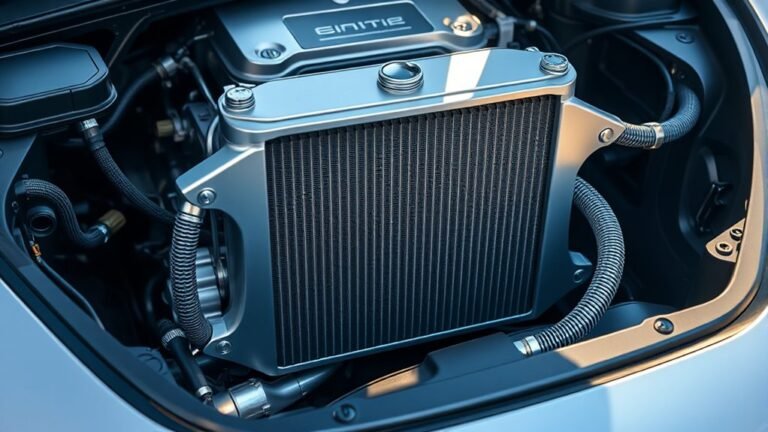
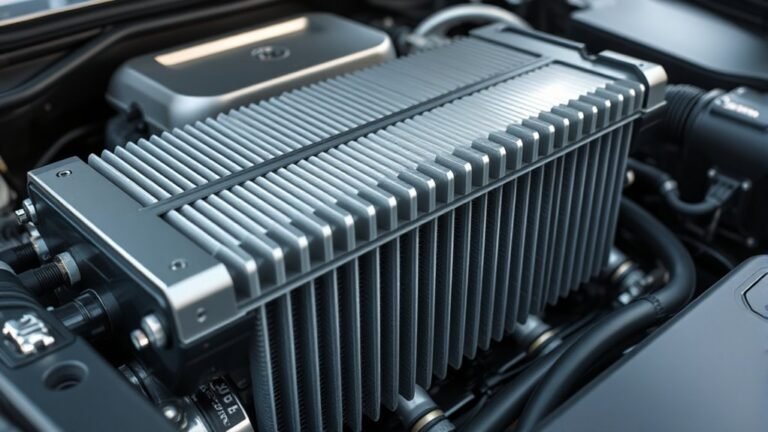
    In your electric car, the radiator plays an essential role in keeping the battery and electronics cool by managing heat efficiently.

    It circulates coolant that absorbs and dissipates heat, preventing overheating and damage. This helps maintain battery performance, safety, and charging speed.

    You’ll also find cooling system components like pumps and sensors working together to optimize temperature.

    If you want to understand how to keep these systems running smoothly and avoid costly issues, there’s plenty more to explore.

  • Step-by-Step Guide to Clean Your Car Radiator

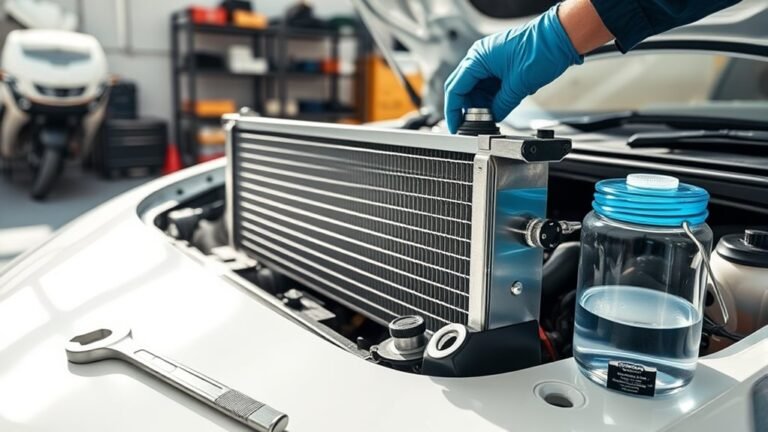
    To clean your car radiator, first gather tools like a 10 mm socket and drainage pan.

    Then park on level ground and let the engine cool.

    Drain the old coolant by opening the radiator’s drain screw.

    After that, add a cooling system cleaner and run the engine with heat on.

    Once that’s done, drain again and flush with distilled water until it runs clear.

    Don’t forget to inspect for leaks and top off with fresh coolant.

    Follow these steps carefully to keep your engine running cool and efficient—there’s more to guarantee a thorough job.

  • 10 Essential Steps to Replace Your Car Radiator

    To replace your car radiator, first, park on level ground, disconnect the battery, and gather your tools.

    Next, safely lift and secure your car with jack stands.

    Drain the old coolant by opening the radiator valve, then remove the fan shroud for better access.

    Now, disconnect the radiator hoses and electrical connections before carefully removing the old radiator.

    Once that’s done, install the new one and make sure to reconnect everything securely.

    Don’t forget to refill the system with a coolant mix.

    Finally, start the engine, check for leaks, and follow precise steps to ensure a smooth radiator replacement experience.

  • What Are Radiator Caps for Cars and Their Importance?

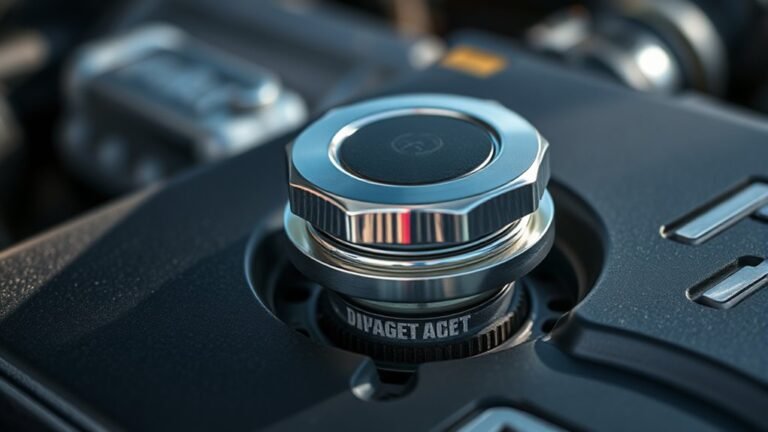
    Your car’s radiator cap keeps the cooling system pressurized to raise the coolant’s boiling point, so your engine stays cool and doesn’t overheat.

    It prevents leaks and guarantees that heat transfers efficiently, helping avoid costly engine damage.

    If your radiator cap malfunctions, you might notice overheating or coolant leaks.

    Understanding how this small part works and recognizing signs of failure can help you maintain your vehicle’s health and performance—there’s more to learn about keeping it in top shape.

  • How Long Do Car Radiators Last – A Comprehensive Maintenance Guide

    Car radiators typically last 8 to 12 years or up to 150,000 miles, but how well yours holds up depends on your maintenance.

    Change your coolant every two years, keep a proper 50:50 coolant-to-water mix, and check for leaks or corrosion annually.

    Ignoring these steps risks overheating and expensive repairs.

    Keep an eye out for signs like coolant leaks or engine overheating to act early.

    There’s more to learn about protecting your radiator and saving money.

  • What Role Do Radiators Have in Electric Cars ?

    In electric cars, radiators play a key role in keeping critical parts like the battery, motor, and power electronics cool.

    They manage about 5kW of heat to maintain peak performance and extend lifespan.

    Unlike combustion engines, which need larger cooling systems, electric vehicles use smaller radiators designed for lower temperature ranges around 80°C.

    These radiators must balance efficient heat dissipation with aerodynamic design to preserve vehicle efficiency.

    If you want to understand how this balance is achieved, there’s more to explore.

  • 7 Simple Steps to Bleed Your Car Radiator System

    First, locate the radiator bleed valve, which is usually at the highest cooling system point.

    Next, prepare the system by topping off coolant and gathering your tools.

    Slowly open the valve to release trapped air while adding more coolant.

    Start your engine and watch for a steady flow of coolant.

    And don’t forget to bleed the heater core and supercharger valves if they’re present.

    Finally, close the valves tightly and check for leaks to ensure proper circulation.

    Keep going to discover detailed tips for each step!

  • Role of Distilled Water in Car Radiators

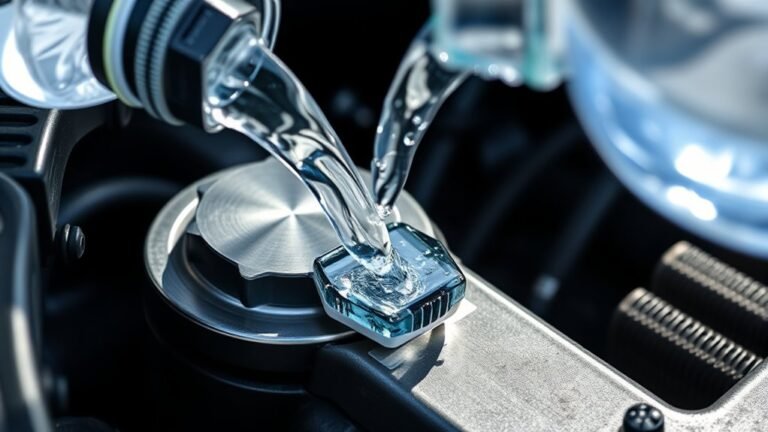
    You should use distilled water in your car radiator because it prevents mineral buildup that clogs cooling passages and causes corrosion.

    Unlike tap or bottled water, distilled water is free from impurities, improving heat transfer and protecting metal parts.

    Mixing it properly with antifreeze keeps your engine cool and extends your radiator’s lifespan.

    Using distilled water helps avoid costly repairs and overheating, ensuring peak engine performance.

    Keep going to discover more ways to maintain your cooling system effectively.

  • 10 Signs You Need Immediate Car Radiator Repair

    If your engine’s temperature suddenly spikes, or you see steam coming from under the hood, you need immediate radiator repair.

    Coolant leaks, frequent topping off, or puddles beneath your car are clear warning signs.

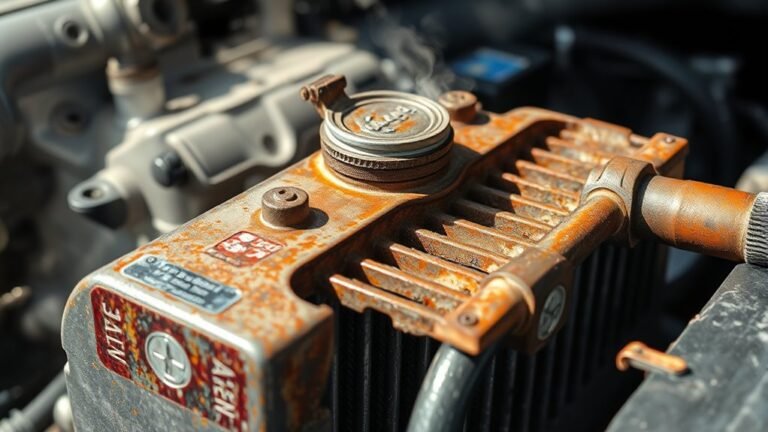
    Look for white residue on the radiator cap, unusual noises like hissing or gurgling, discolored coolant, rust on the radiator, and a heater that stops blowing warm air.

    Recognizing these signs early can save you costly repairs—keep watching to find out what else to look for.

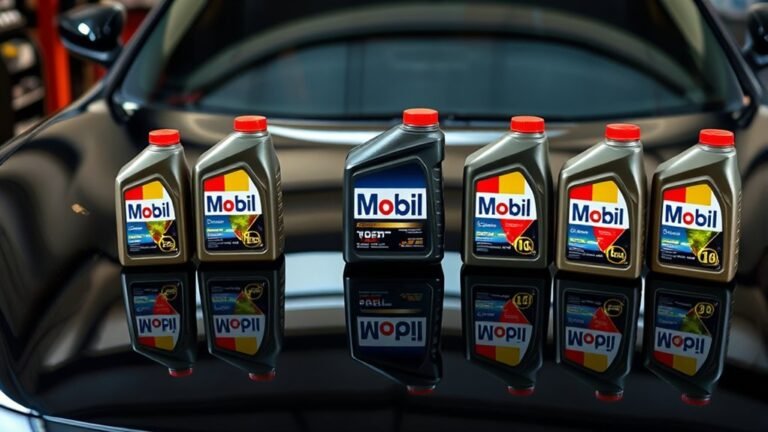
  • 7 Best Mobil Oils for Your Car

    You’ll want Mobil 1 Extended Performance 5W-30 for long-lasting protection and improved fuel economy.

    Or consider Annual Protection 0W-20 if you value cold-start wear reduction.

    High Mileage 10W-30 is perfect if your car’s over 75,000 miles.

    For diesels, Turbo Diesel Truck 5W-40 delivers top wear resistance.

    Synthetic Blend 10W-30 offers reliable, extended protection, while Truck & SUV 0W-20 suits those vehicle types.

    Lastly, Racing 4T 10W-40 is ideal for high-performance.

    Keep exploring to see which fits your ride best!